
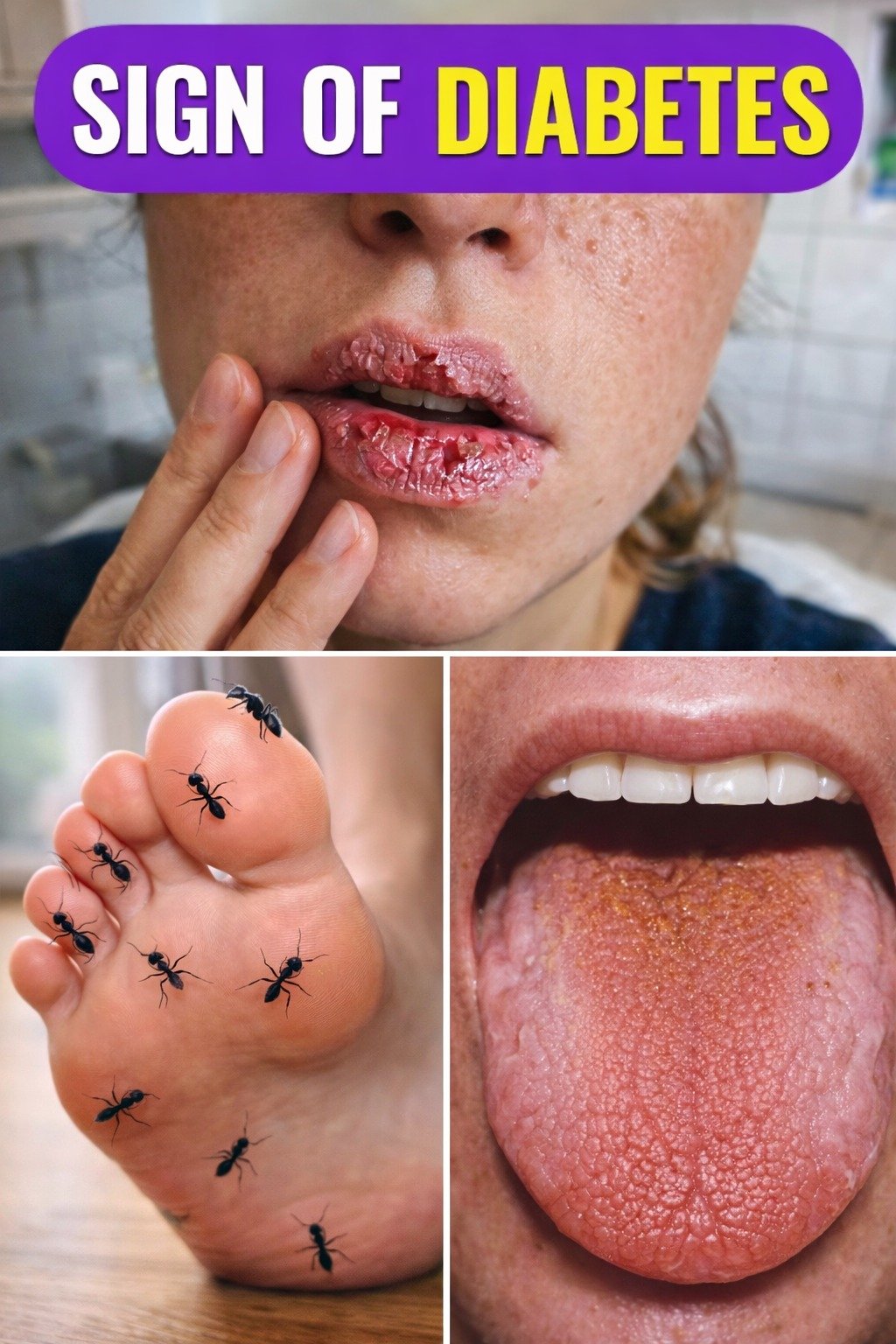
11 Lesser-Known Signs of Diabetes That Might Surprise You
Many people live with high blood sugar levels for years without realizing it. The classic signs like constant thirst or frequent trips to the bathroom often get noticed first, but diabetes can show up in quieter, more unexpected ways. These subtle changes in your body can build slowly, affecting daily life in ways that feel unrelated at first. Ignoring them might mean missing an early chance to understand what’s happening inside.
The good news? Paying attention to these lesser-known clues can encourage you to check in with a healthcare provider sooner. In this article, we’ll explore 11 signs that research and experts have linked to diabetes, explained simply so you can spot them more easily. Stick around until the end for practical steps anyone can take right now to support better blood sugar balance.
What Makes These Signs “Lesser-Known”?
Most people hear about thirst, fatigue, or weight changes first. But studies show high blood sugar affects many systems quietly. For example, skin changes or recurring issues often appear before more obvious symptoms. Reliable sources like Healthline and the American Diabetes Association note these can signal the body struggling with glucose control long-term.
Here are 11 signs that don’t always make headlines but deserve attention:
- Dark Patches on Skin (Acanthosis Nigricans) You might notice velvety, darkened areas around your neck, armpits, or groin. This happens when excess insulin prompts skin cells to grow faster. It’s more common in type 2 diabetes and often overlooked as just a skin issue.
- Recurrent Infections Yeast infections, urinary tract infections, or skin issues that keep coming back can point to elevated sugar levels feeding bacteria and yeast. Research shows people with diabetes face higher infection risks due to immune system effects.
- Blurred or Changing Vision High blood sugar can cause eye lenses to swell temporarily, leading to blurry sight. Many assume it’s age-related, but it sometimes improves once levels stabilize.
- Tingling, Numbness, or Pain in Hands and Feet Nerve damage from prolonged high glucose can create a “pins and needles” feeling or burning sensation. This peripheral neuropathy often starts subtly in the extremities.
- Slow-Healing Cuts or Sores Small wounds that take weeks to heal—or get infected easily—may relate to poor circulation and nerve issues. Check your feet regularly, as this is especially common there.
- Itchy or Dry Skin Dehydration from excess urination plus high sugar can leave skin dry and itchy. Some notice it most on legs or arms.
- Fruity-Smelling Breath In cases of very high levels, the body breaks down fat for energy, producing ketones that give breath a sweet or fruity odor. This can signal a need for prompt attention.
- Unexplained Fatigue Despite Rest When cells can’t use glucose properly, you feel drained even after sleeping well. It’s more than just tiredness—it’s a deep exhaustion.
- Frequent Yeast Infections or Thrush Excess sugar in saliva or other areas creates a perfect environment for yeast overgrowth, leading to oral thrush or genital discomfort.
- Skin Tags Small, soft growths often appear in folds like the neck or underarms. While harmless, clusters can link to insulin resistance.
- Mood Swings or Irritability Blood sugar fluctuations affect brain function, sometimes causing sudden mood changes or feeling “off” emotionally.
But that’s not all—some people notice other subtle shifts, like lightheadedness after meals or sexual function changes. These vary by person, but patterns matter.
Quick Comparison: Common vs. Lesser-Known Signs
| Common Signs | Lesser-Known Signs |
|---|---|
| Excessive thirst | Dark skin patches |
| Frequent urination | Recurrent infections |
| Extreme hunger | Tingling in extremities |
| Unexplained weight loss | Slow-healing sores |
| Blurry vision (often listed) | Fruity breath or mood changes |
Seeing several from either column together? It’s worth a conversation with your doctor
Actionable Steps You Can Take Today
You don’t need to wait for a diagnosis to start supporting your health. Here are simple habits backed by general wellness guidance:
- Monitor your energy after meals — Note if certain foods leave you crashing or unusually tired.
- Check your skin daily — Look for changes in texture or color, especially in folds.
- Stay hydrated wisely — Sip water throughout the day instead of sugary drinks.
- Move a little more — Even a 10-minute walk after eating helps glucose use.
- Track patterns — Keep a quick journal of symptoms for a week to share with a professional.
These small changes promote overall well-being and may help your body manage levels better.
When to See a Healthcare Provider
If several of these signs feel familiar, don’t brush them off. A simple blood test can provide clarity. Early awareness often leads to better outcomes through lifestyle adjustments and medical support.
FAQ
What is the first unusual sign of diabetes many people miss? Dark patches on the neck or armpits (acanthosis nigricans) often appear early but get dismissed as cosmetic.
Can diabetes symptoms come and go? Yes, especially in type 2, where levels fluctuate. Symptoms may seem mild or intermittent at first.
Are these signs only for type 2 diabetes? Many overlap between types, but type 2 tends to develop slowly with subtler signs. Type 1 often comes on faster.
Disclaimer: This article is for informational purposes only and not a substitute for professional medical advice. Always consult a qualified healthcare provider for personalized guidance, diagnosis, or treatment. Do not ignore symptoms or delay seeking care based on this content.