
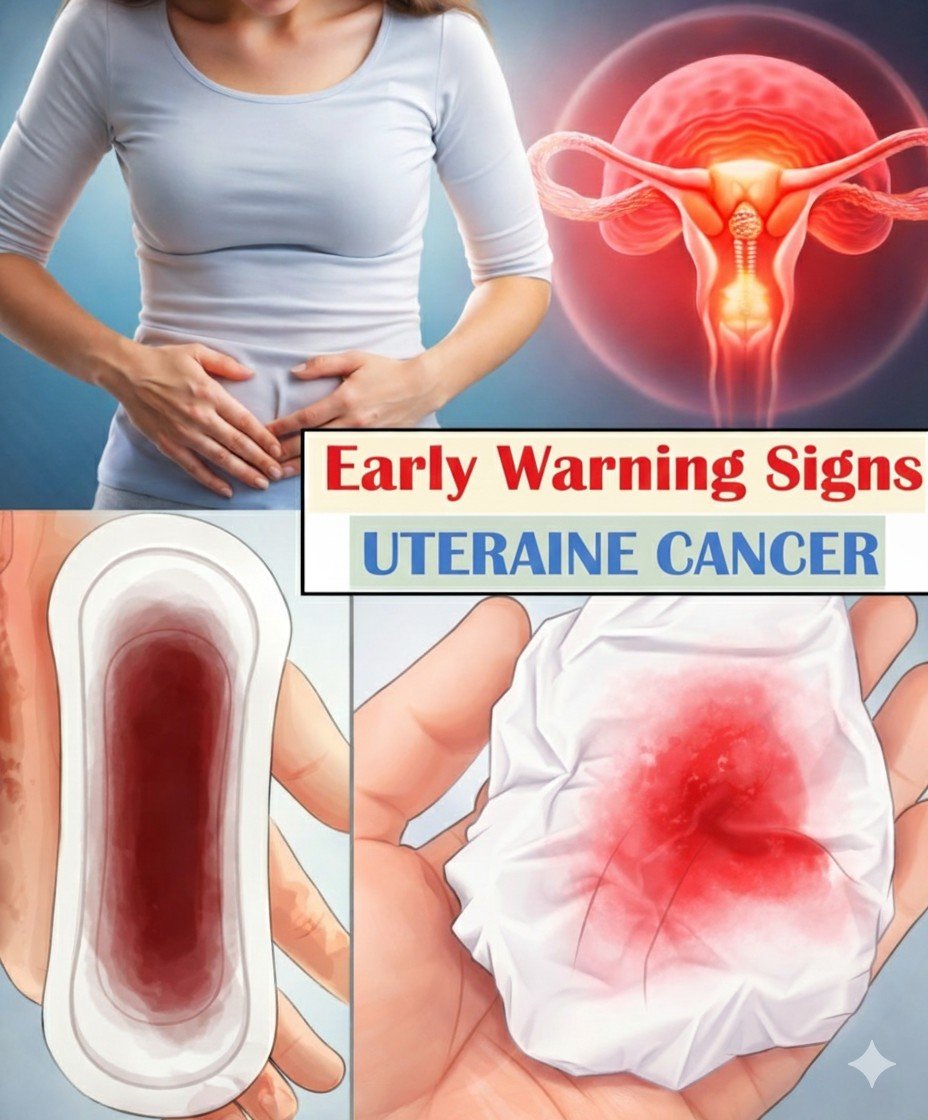
12 Warning Signs Your Uterus Might Need Attention – What Every Woman Should Know
Your uterus is a vital part of your reproductive system, quietly supporting menstruation, fertility, and overall well-being. But when something feels off, it’s easy to brush it aside amid busy daily life. Many women experience subtle changes that build over time, leading to discomfort, fatigue, or bigger concerns down the line. The good news? Paying attention early can make all the difference. In this guide, we’ll explore 12 common signs that could indicate your uterus is signaling for help – and there’s a simple step at the end that could bring clarity and peace of mind.
Understanding Your Uterus and Why These Signs Matter
The uterus, often called the womb, is a pear-shaped organ where a fertilized egg implants and grows during pregnancy. It also sheds its lining each month during your period. Common issues like fibroids (noncancerous growths), endometriosis (tissue growing outside the uterus), or infections can disrupt this balance, according to sources like the Mayo Clinic and Cleveland Clinic.
But that’s not all… These conditions affect millions of women worldwide, often starting with symptoms that seem minor. Research shows early awareness helps many manage them effectively. Let’s dive into the signs.
1. Unusually Heavy Periods
If you’re changing pads or tampons every hour or soaking through overnight protection, this could point to heavier-than-normal bleeding, known as menorrhagia.
Studies from the American College of Obstetricians and Gynecologists (ACOG) note this can stem from hormonal shifts or growths in the uterus. It might lead to tiredness from low iron levels.
The reality is, persistent heavy flow isn’t something to push through alone.
2. Severe Menstrual Cramps
Mild cramps are typical, but pain that stops you from daily activities or requires strong pain relief could be more.
Experts at Cleveland Clinic link intense cramps to conditions where uterine tissue behaves abnormally. If the pain worsens yearly, it’s worth noting.
Here’s the interesting part: Many women find relief by discussing options with a doctor sooner rather than later.
3. Irregular Menstrual Cycles
Cycles shorter than 21 days, longer than 35 days, or highly unpredictable might indicate imbalances.
The Office on Women’s Health explains this can relate to ovulation patterns or other factors like thyroid function. Tracking helps spot patterns.
4. Pelvic Pain Outside of Periods
Ongoing discomfort in the lower abdomen, not tied to your cycle, can feel frustrating and unexplained.
Sources like Mayo Clinic associate this with pressure from uterine changes or inflammation.
5. Unusual Vaginal Discharge
Changes in color, odor, or consistency, especially with irritation, could signal an infection.
Healthline and WebMD recommend checking if it’s persistent.
But wait, there’s more to consider…
6. Pain During Intimacy
Discomfort during sex isn’t normal and can affect relationships.
Cleveland Clinic reports it may connect to uterine or pelvic issues.
7. Lower Back or Leg Pain
Unexplained aching that radiates could come from pressure on nearby nerves.
8. Frequent Urination or Bowel Changes
Feeling the need to go more often or struggling with constipation might mean something is pressing on nearby organs.
9. Unexplained Bloating or Swelling
A persistently swollen lower belly, unrelated to diet, deserves attention.
10. Ongoing Fatigue
Feeling drained despite rest could link to chronic blood loss affecting energy levels.
11. Challenges with Fertility
If conception takes longer than expected, uterine factors might play a role.
12. Bleeding After Menopause
Any spotting or bleeding post-menopause is a key signal to act quickly, as noted by the American Cancer Society.
Common Signs at a Glance
Here’s a quick overview of some frequently reported symptoms:
- Heavy or prolonged bleeding
- Severe cramping
- Irregular timing
- Non-menstrual pelvic pain
- Painful intercourse
- Bloating or pressure
And another helpful list of when changes might warrant a closer look:
- Cycles varying by more than 7-9 days regularly
- Bleeding lasting over 7 days
- Soaking a pad/tampon hourly for several hours
- Pain disrupting sleep or work
Practical Steps You Can Take Today
Listening to your body starts with small habits:
- Track your cycles using a calendar or app for at least 3 months – note flow, pain, and any changes.
- Maintain a healthy weight through balanced meals and movement, as extremes can influence hormones.
- Manage stress with walks, deep breathing, or hobbies – it impacts your cycle more than you might think.
- Schedule regular check-ups, even without symptoms.
- Prepare for appointments by listing symptoms and questions.
The truth is, these steps empower you and make discussions with your doctor more productive.
When to Seek Professional Guidance
If multiple signs persist or worsen, consulting a healthcare provider is key. They can offer personalized insights through exams or tests like ultrasounds.
Conclusion
Your uterus plays a quiet but crucial role in your health. Recognizing these 12 signs – from heavy periods to postmenopausal changes – allows you to respond thoughtfully. Many women experience similar concerns, and addressing them early often leads to better outcomes. Stay attuned to your body; it’s the best advocate you have. And remember, the most empowering action? Reaching out for professional support when something feels off – it could be the step that changes everything.
Frequently Asked Questions
What if I only have one of these signs?
Even a single persistent change, like irregular cycles, is worth discussing with a doctor to rule out underlying factors.
Can lifestyle changes help with these symptoms?
Yes, things like a balanced diet, exercise, and stress reduction can support hormonal balance, though they’re not a substitute for medical advice.
Is heavy bleeding always serious?
Not always, but if it’s frequent or causes fatigue, it’s important to get checked, as it can affect daily life.
Disclaimer: This article is for informational purposes only and is not a substitute for professional medical advice, diagnosis, or treatment. Always consult a qualified healthcare provider with any questions about your health or symptoms. Early evaluation can help identify issues, but only a doctor can provide personalized guidance.