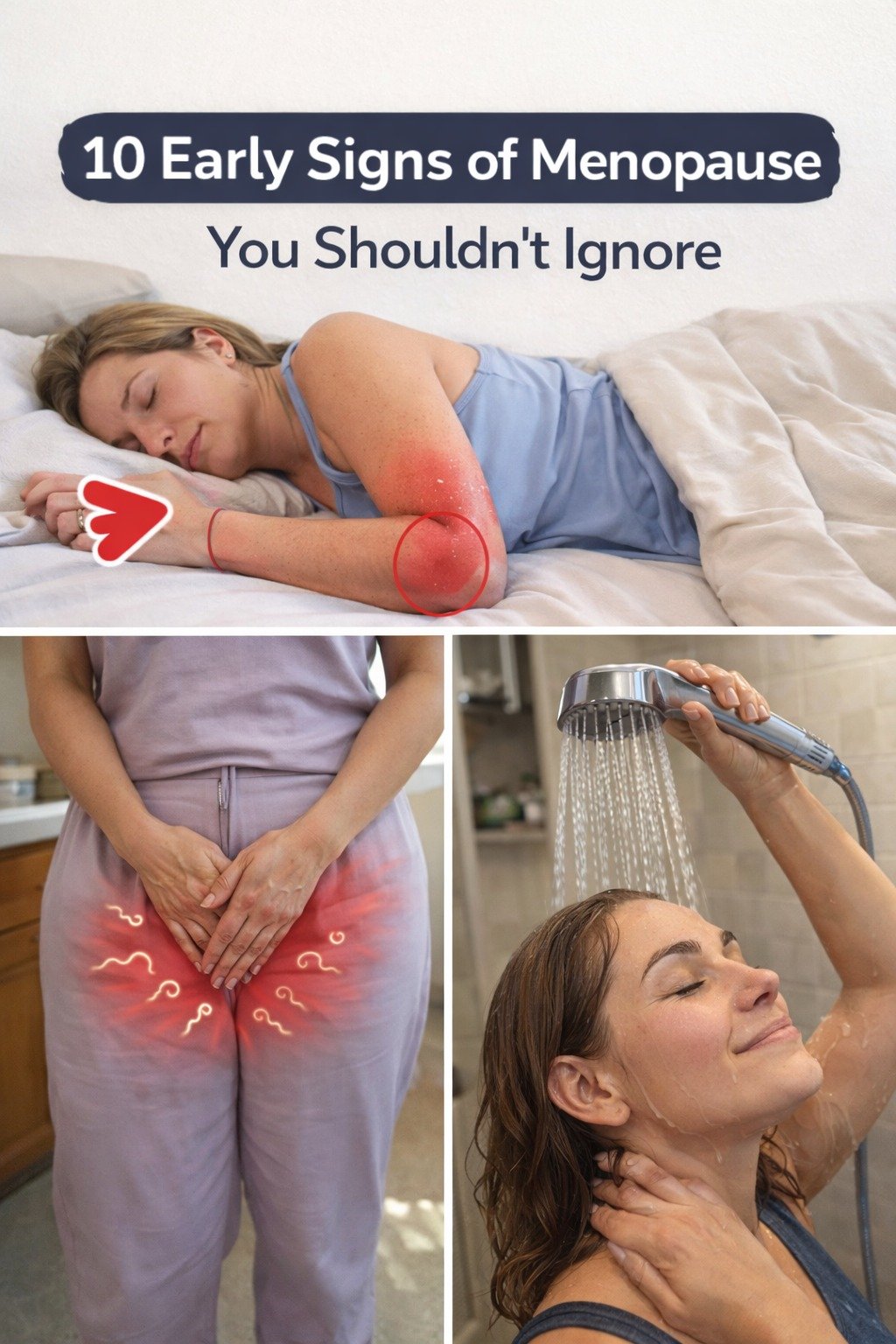
10 Early Signs of Perimenopause You Might Be Experiencing
Many women in their 40s start noticing subtle shifts in their bodies that feel confusing or frustrating. You might wake up drenched in sweat one night, struggle to fall back asleep, or find your periods arriving at unexpected times. These changes can leave you feeling off-balance, wondering if something’s wrong or if it’s just stress. The truth is, these are often early indicators of perimenopause—the natural transition leading to menopause—when hormone levels begin to fluctuate. But here’s the encouraging part: understanding what’s happening can help you take small, practical steps to ease discomfort and regain a sense of control. Stick around, because toward the end, we’ll share a surprising daily habit many women find makes a real difference.
What Is Perimenopause, and When Does It Start?
Perimenopause is the phase before menopause officially begins, typically starting in a woman’s 40s but sometimes as early as the mid-30s. It can last several years as estrogen and progesterone levels rise and fall unevenly. Menopause itself is reached after 12 consecutive months without a period, usually around age 51 on average
Research from sources like the Mayo Clinic shows that these hormonal shifts affect nearly every system in the body, leading to a range of experiences. Not everyone has the same symptoms, and they can come and go. The key is recognizing patterns early so you can support your well-being.
The Most Common Early Signs to Watch For
Here are 10 early signs often reported during perimenopause. Studies, including those referenced by Cleveland Clinic and Harvard Health, highlight how these can appear gradually.
- Irregular Periods Your cycle might shorten, lengthen, become heavier, lighter, or skip altogether. This is usually the first noticeable change as ovulation becomes less predictable.
- Hot Flashes and Night Sweats A sudden wave of heat spreading across your face, neck, and chest—sometimes with sweating and a racing heart. Night sweats can soak your sheets and disrupt rest.
- Sleep Difficulties Trouble falling asleep, waking frequently, or feeling unrefreshed in the morning. Hot flashes often play a role, but hormone changes can affect sleep even without them.
- Mood Swings and Irritability Feeling more emotional, anxious, or short-tempered than usual. Fluctuating hormones can influence brain chemistry, making everyday stressors feel bigger.
- Vaginal Dryness and Discomfort Reduced moisture can lead to irritation or discomfort during intimacy. This stems from lower estrogen affecting vaginal tissues.
- Brain Fog and Memory Lapses Trouble concentrating, finding words, or remembering small details—often called “brain fog.” Many women describe it as feeling mentally fuzzy.
- Fatigue and Low Energy Feeling tired even after rest, sometimes linked to poor sleep or hormonal shifts slowing metabolism.
- Changes in Libido A decrease in sexual interest or response, which can tie into dryness, fatigue, or mood changes.
- Weight Gain Around the Midsection Slower metabolism and hormonal changes can make it easier to gain weight, especially around the abdomen, even with the same habits.
- Joint or Muscle Aches Some women notice more stiffness or discomfort in joints, possibly related to estrogen’s role in inflammation and bone health.
But that’s not all—less common signs like dry skin, thinning hair, or heart palpitations can also appear. If several of these resonate, tracking them in a journal can help spot patterns.
Practical Ways to Support Yourself During This Transition
The good news? You don’t have to wait for things to worsen. Small lifestyle adjustments can make a noticeable difference. Here’s a quick list of actionable tips backed by general health guidance:
- Track Your Symptoms — Use a simple app or notebook to log periods, sleep, mood, and hot flashes. Patterns help when talking to a healthcare provider.
- Prioritize Sleep Hygiene — Keep your bedroom cool (around 60-67°F/15-19°C), avoid screens before bed, and consider breathable bedding to reduce night sweats.
- Stay Active — Aim for 30 minutes of moderate movement most days, like walking or yoga. Regular exercise supports mood, weight balance, and bone health.
- Eat Nutrient-Dense Foods — Focus on whole foods rich in calcium, vitamin D, omega-3s, and phytoestrogens (like flaxseeds or soy in moderation) to support hormone balance.
- Manage Stress — Try deep breathing, meditation, or short walks. Chronic stress can amplify symptoms.
- Stay Hydrated and Layer Clothing — For hot flashes, drink plenty of water and wear light, removable layers.
Here’s a simple comparison of quick wins vs. longer-term habits:
| Quick Relief Tip | Longer-Term Benefit |
|---|---|
| Cool shower before bed | Better overall sleep quality |
| Layered clothing for flashes | Consistent daily comfort |
| Herbal tea (caffeine-free) | Reduced anxiety and better rest |
| Short daily walk | Improved mood and energy over weeks |
These aren’t cures, but many women report feeling more in control with consistent small changes.
When to Talk to a Healthcare Provider
If symptoms interfere with daily life, or if you experience very heavy bleeding, spotting after periods stop, or other concerns, reach out to a doctor. They can rule out other causes and discuss options tailored to you. Early awareness often leads to better management
One surprising habit that helps many: building a consistent evening wind-down routine. Dim lights, gentle stretching, and avoiding heavy meals late can improve sleep and reduce flare-ups—something simple yet powerful for navigating this phase.
Conclusion
Perimenopause brings changes, but knowing the early signs empowers you to respond thoughtfully. From irregular periods to mood shifts and hot flashes, these experiences are common and part of a natural transition. By paying attention and making supportive choices, you can ease discomfort and focus on feeling your best.
FAQ
What age does perimenopause usually start? It often begins in the 40s, but can start earlier in the mid-30s for some women, lasting several years.
Are these symptoms the same for everyone? No—experiences vary widely. Some have mild changes, while others notice more intensity. Genetics, lifestyle, and health play roles.
Can lifestyle changes really help with perimenopause symptoms? Yes, many women find relief through better sleep habits, exercise, nutrition, and stress management, though results differ.
Disclaimer: This article is for informational purposes only and not a substitute for professional medical advice. Always consult a qualified healthcare provider for personalized guidance regarding your health concerns.