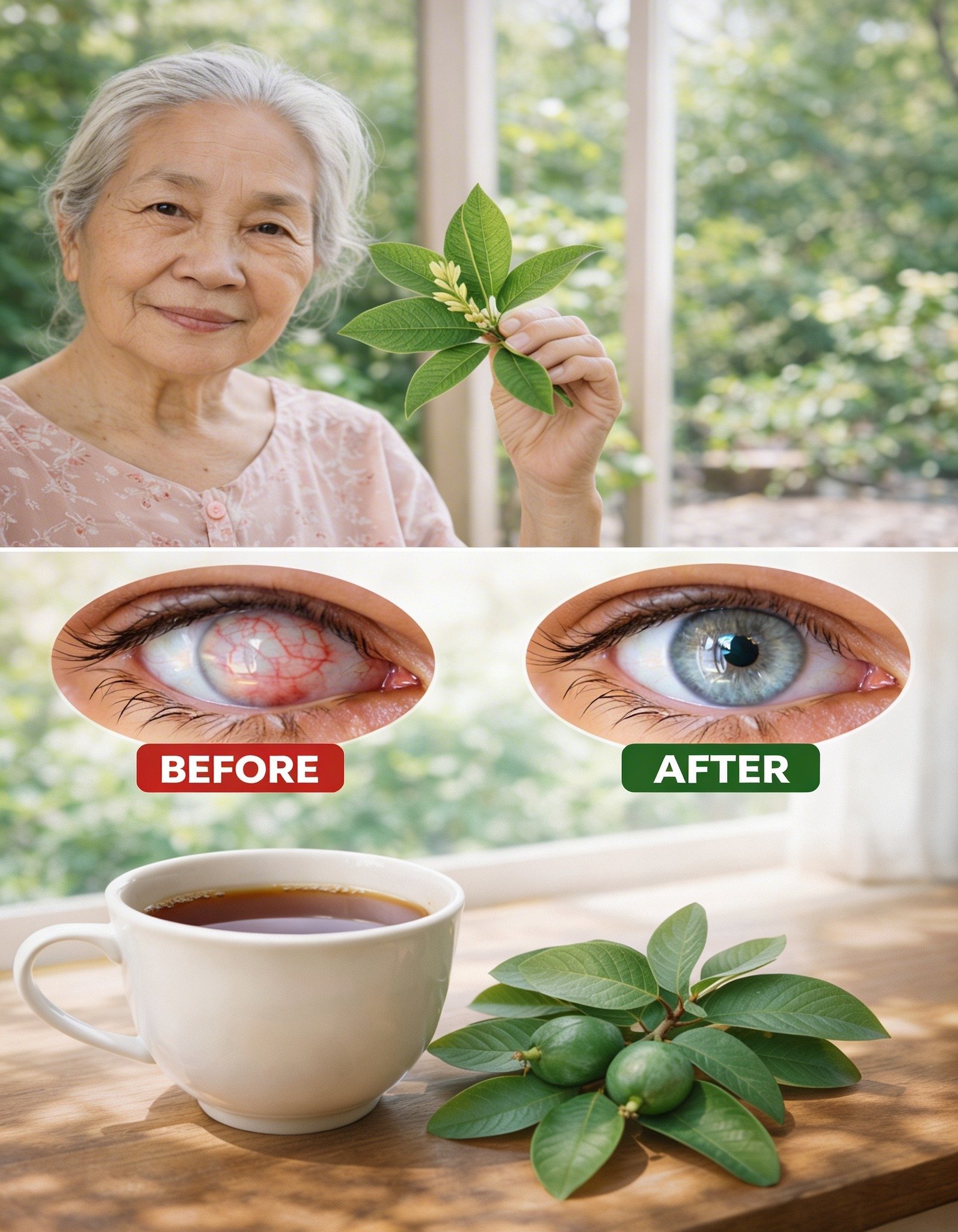
How to Use Guava Leaves and Fruit for Natural Eye Care Support at Home Daily
Red, itchy, or tired eyes can quietly affect your focus, mood, and productivity throughout the day. Long hours in front of screens, pollution, and lack of sleep only make the discomfort worse. When your eyes feel strained or irritated, even simple tasks become frustrating. Many people are now turning to gentle, plant based habits for support, and guava is one of the most talked about options but there is one important detail most people miss, and you will discover it at the end of this article.

Why Guava Is Gaining Attention for Eye Wellness
Guava is more than just a tropical fruit. Both the fruit and the leaves contain natural plant compounds that researchers have studied for their antioxidant and soothing properties.
According to nutrition research, guava is rich in:
• Vitamin C
• Vitamin A
• Lycopene
• Flavonoids
• Polyphenols
These compounds help the body manage oxidative stress. Oxidative stress happens when unstable molecules known as free radicals affect cells, including those in the eyes.
Here is the interesting part.
Your eyes are especially sensitive to oxidative stress because they are constantly exposed to light and environmental irritants.
The Role of Antioxidants in Eye Comfort
Research suggests that antioxidants such as vitamin C and carotenoids may help support overall eye health by protecting delicate tissues from everyday environmental strain.
Guava contains significantly more vitamin C than many common fruits. Vitamin A, which is also present in guava, plays a role in maintaining normal vision and supporting the surface of the eye.
But that is not all.
Guava leaves have also been studied for their soothing and antimicrobial properties, which is why some traditional practices include them in eye care routines.
Guava Fruit vs Guava Leaves for Eye Support
Let us break this down clearly.
| Component | Guava Fruit | Guava Leaves |
|---|---|---|
| Main Nutrients | Vitamin C, Vitamin A, Lycopene | Flavonoids, Polyphenols |
| Traditional Use | Nutritional support | External soothing compress |
| Best For | Daily dietary support | Gentle external care routine |
The fruit is typically consumed as part of the diet. The leaves are often used externally in cooled infusions.
And here is something important.
You should never place raw plant material directly into the eye. Any use around the eye area must be clean, gentle, and indirect.
How Guava May Support Common Eye Discomfort
While guava is not a medical solution, its nutritional profile may support general eye comfort in several ways.
1 Supporting Dry and Tired Eyes
Screen exposure reduces blinking, which contributes to dryness.
Vitamin A supports the normal function of the tear film, which keeps the eye surface lubricated. Including vitamin A rich foods like guava in your diet may help maintain this natural balance.
2 Supporting Redness Linked to Irritation
Redness can occur when tiny blood vessels in the eye become more visible due to strain or environmental triggers.
Antioxidants found in guava may help the body manage inflammatory responses. Studies on plant flavonoids suggest they contribute to overall tissue resilience.

3 Supporting Long Term Eye Wellness
Lycopene, the antioxidant that gives guava its pink color, has been studied for its protective effects against oxidative stress in various tissues.
The eyes are constantly exposed to light induced oxidative stress, so consuming antioxidant rich foods may be part of a broader supportive lifestyle.
But remember.
Nutrition works gradually. It supports systems over time rather than producing instant visible changes.
How to Use Guava for Eye Support at Home
Now let us move to practical steps you can follow.
Method 1 Add Fresh Guava to Your Daily Diet
This is the safest and simplest approach.
Step by step:
1 Wash the fruit thoroughly.
2 Slice it with the peel on because many nutrients are concentrated near the skin.
3 Eat one medium guava daily or add it to smoothies.
You can also combine guava with:
• Spinach
• Carrots
• Oranges
• Almond milk
This combination increases vitamin A and C intake, which supports overall eye health.
Method 2 Prepare a Guava Leaf Compress for External Use
This method focuses on the area around the eyes, not inside the eyes.
Follow these steps carefully:
1 Wash fresh guava leaves thoroughly.
2 Boil them in clean water for 10 minutes.
3 Allow the liquid to cool completely.
4 Strain the liquid using sterile cloth or fine filter.
5 Soak clean cotton pads in the cooled infusion.
6 Place the pads gently over closed eyelids for 5 to 10 minutes.
Make sure:
• The liquid is fully cooled.
• Everything used is clean.
• You do not apply it directly into the eye.
If you experience discomfort, stop immediately.
But wait.
There is an even better way to maximize the benefits of this routine which most people overlook.
Lifestyle Habits That Enhance Results
Guava works best when combined with supportive habits.
Here are essential practices:
• Follow the 20 20 20 rule for screen use. Every 20 minutes look 20 feet away for 20 seconds.
• Stay hydrated. Dehydration worsens eye dryness.
• Sleep at least 7 hours per night.
• Wear sunglasses outdoors to reduce UV exposure.
• Avoid rubbing your eyes.
The truth is, plant based support alone cannot compensate for poor habits.
When you combine nutrition, rest, and gentle external care, your eyes feel noticeably more comfortable.
What Science Says About Guava and Eye Health
Several studies have highlighted the antioxidant density of guava fruit. Research published in nutrition journals confirms its high vitamin C concentration and presence of carotenoids.
Antioxidants are widely studied for their role in supporting cellular protection across different body systems, including ocular tissues.
However, there are limited direct clinical trials specifically evaluating guava for eye conditions.
That means:
Guava should be viewed as a supportive dietary choice rather than a standalone solution.
And that is a responsible approach aligned with current evidence.
Who Should Be Cautious
Although guava is generally safe as food, certain individuals should take extra care:
• People with eye infections
• Individuals with recent eye surgery
• Those with chronic eye conditions
• Anyone experiencing sudden vision changes
In these cases, professional medical advice is essential.
Natural routines are complementary, not substitutes for clinical evaluation.
The Overlooked Secret for Better Eye Comfort
Earlier, I mentioned there is something most people miss.
Here it is.
Consistency matters more than intensity.
Using guava once will not create noticeable change. But incorporating it into a long term nutrition and eye care routine may contribute to gradual support.
Small daily habits create bigger cumulative effects than occasional extreme efforts.
That is the real secret.
Quick Recap
Guava contains vitamin C, vitamin A, and plant antioxidants.
These nutrients may support overall eye wellness and help the body manage oxidative stress.
You can use guava safely through diet or gentle external compresses around closed eyelids.
Healthy lifestyle habits amplify the benefits.
When combined thoughtfully, these steps create a supportive environment for comfortable eyes.
Frequently Asked Questions
Can guava improve blurry vision
Guava contains nutrients that support overall eye health, but blurry vision can have many causes. Persistent or sudden changes in vision require professional evaluation.
Is it safe to rinse eyes with guava leaf water
It is not recommended to rinse the inside of the eyes with homemade solutions. If using guava leaf infusion, apply it only externally over closed eyelids and ensure proper hygiene.
How often can I eat guava for eye support
One medium guava daily is generally safe for most people as part of a balanced diet, unless advised otherwise by a healthcare professional.
Final Thoughts
Caring for your eyes does not always require complicated routines. Sometimes it starts with simple nutritional choices and mindful habits. Guava, with its rich antioxidant profile, can be part of a gentle, supportive eye wellness plan when used responsibly and consistently.
Your eyes work hard for you every day. Supporting them through balanced nutrition, proper rest, and smart screen habits is a long term investment in comfort and clarity.
Disclaimer This article is for informational purposes only and does not replace professional medical advice, diagnosis, or treatment from a qualified healthcare provider.
