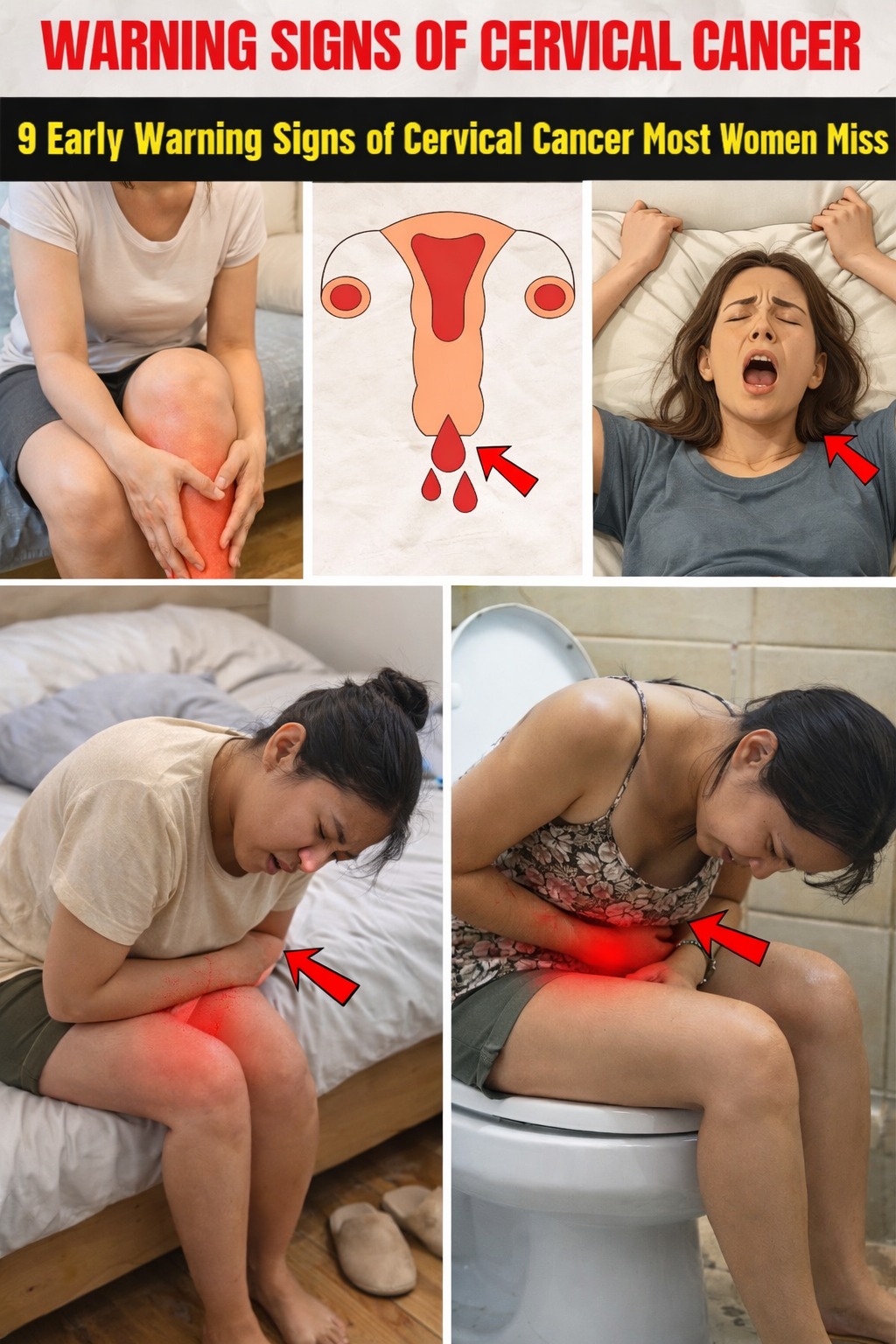
9 Early Warning Signs of Cervical Cancer
Many women overlook subtle changes in their bodies that could signal something serious, especially when it comes to cervical cancer. This disease often develops quietly in its early stages, with few or no obvious signs, which is why regular screening is so crucial. But as it progresses, certain symptoms can appear that are easy to dismiss as minor issues like stress, infections, or normal hormonal shifts. Ignoring them might delay important conversations with a healthcare provider.
The good news is that paying attention to your body and staying up-to-date with screenings can make a big difference in catching potential issues early. In this article, we’ll explore some of the key signs that research from trusted sources like the Mayo Clinic, American Cancer Society, and CDC highlights as possible indicators when cervical cancer advances. But here’s the part many women don’t expect: one simple habit could help you spot changes sooner than you think—we’ll reveal it toward the end.
Why Early Awareness Matters for Cervical Health
Cervical cancer starts in the cells of the cervix, the lower part of the uterus that connects to the vagina. Studies show it’s often linked to persistent HPV infection, but the body can fight off many cases naturally. Early changes rarely cause noticeable symptoms, which is why guidelines emphasize routine Pap tests or HPV screenings.
When symptoms do emerge, they’re usually related to abnormal cell growth affecting nearby tissues. Recognizing them empowers you to seek professional advice promptly. Remember, these signs can stem from many non-cancer causes, but they’re worth checking.
Common Signs Women Should Pay Attention To
Here are some of the most frequently mentioned changes that reliable health organizations associate with possible advanced cervical cancer:
- Unusual vaginal bleeding — This tops the list for many sources. It might show up as spotting between periods, heavier or longer menstrual bleeding than your norm, bleeding after intercourse, or bleeding after menopause. Even light spotting can be a clue if it’s new or persistent.
- Changes in vaginal discharge — A sudden shift to watery, bloody, or foul-smelling discharge, especially if it’s heavier than usual or occurs between periods, deserves attention. Normal discharge varies, but abrupt changes aren’t something to brush off.
- Pain during or after intercourse — Discomfort or pain in the pelvic area during sex can sometimes point to issues in the cervix or surrounding tissues.
- Pelvic or lower back pain — Ongoing dull aches or pressure in the pelvis, lower back, or abdomen that doesn’t resolve with rest or over-the-counter relief might be worth discussing.
- Unexplained fatigue or weight changes — Feeling unusually tired without clear reason or noticing unintended weight loss can occur in more advanced cases, though these are less specific.
But that’s not the full picture…
Less Commonly Discussed Signs That Deserve Notice
Some symptoms fly under the radar because they’re subtle or seem unrelated:
- Leg pain or swelling — Persistent pain, swelling, or heaviness in one or both legs can happen if issues affect nearby structures, though this is more typical in later stages.
- Urinary or bowel changes — Frequent urination, urgency, discomfort when urinating, or changes in bowel habits might signal involvement of nearby organs.
- Abdominal bloating or discomfort — A feeling of fullness or bloating that lingers could be another hint in some situations.
Research from places like the American Cancer Society notes that while early cervical cancer is often silent, these signs become more apparent as things progress. The key? Don’t wait for multiple symptoms to pile up.
Here’s a quick comparison to help spot what’s worth monitoring:
- Normal variations — Occasional irregular periods, mild discharge changes due to cycle/hormones, temporary pelvic cramps.
- Potential red flags — Persistent unusual bleeding, foul-smelling discharge, pain that interferes with daily life or sex, swelling that doesn’t go away.
Tracking your symptoms in a simple journal (dates, what you notice, how long it lasts) can help when talking to a doctor.
Practical Steps You Can Take Right Now
Empower yourself with these straightforward habits:
- Schedule regular screenings — Follow guidelines for Pap/HPV tests based on your age and history—many experts recommend starting around age 21 and continuing as advised.
- Know your normal — Pay attention to your usual cycle, discharge, and energy levels so changes stand out.
- See a professional promptly — If anything feels off (especially bleeding or pain), book an appointment. Early evaluation often leads to peace of mind or simple fixes.
- Consider HPV vaccination — If eligible and not already vaccinated, it’s a powerful preventive step against the main cause.
- Maintain overall wellness — A balanced diet, exercise, not smoking, and safe practices support your body’s defenses.
The surprising habit many overlook? Consistent self-checks combined with annual well-woman visits—even when you feel fine. This routine catches subtle shifts early.
Wrapping It Up: Stay Proactive for Your Health
Being aware of these potential signs doesn’t mean panicking—most turn out to be something else entirely. But tuning in to your body and acting on changes can support better outcomes. Prioritize screenings, listen to what your body tells you, and talk openly with your healthcare provider.
Frequently Asked Questions
What is the number one symptom of cervical cancer? Unusual vaginal bleeding, such as between periods or after sex, is often cited as the most common noticeable sign according to sources like the Mayo Clinic and American Cancer Society.
Can cervical cancer be found early without symptoms? Yes—routine Pap tests or HPV screenings detect precancerous changes long before symptoms appear, which is why they’re so effective for prevention.
How often should I get screened for cervical cancer? Guidelines vary by age and risk, but many recommend Pap/HPV co-testing every 5 years for ages 30-65, or Pap alone every 3 years—check with your doctor for personalized advice.
Disclaimer: This article is for informational purposes only and is not a substitute for professional medical advice, diagnosis, or treatment. Always consult a qualified healthcare provider if you have concerns about your health or notice any changes. Early detection through screening remains the best approach for cervical health.