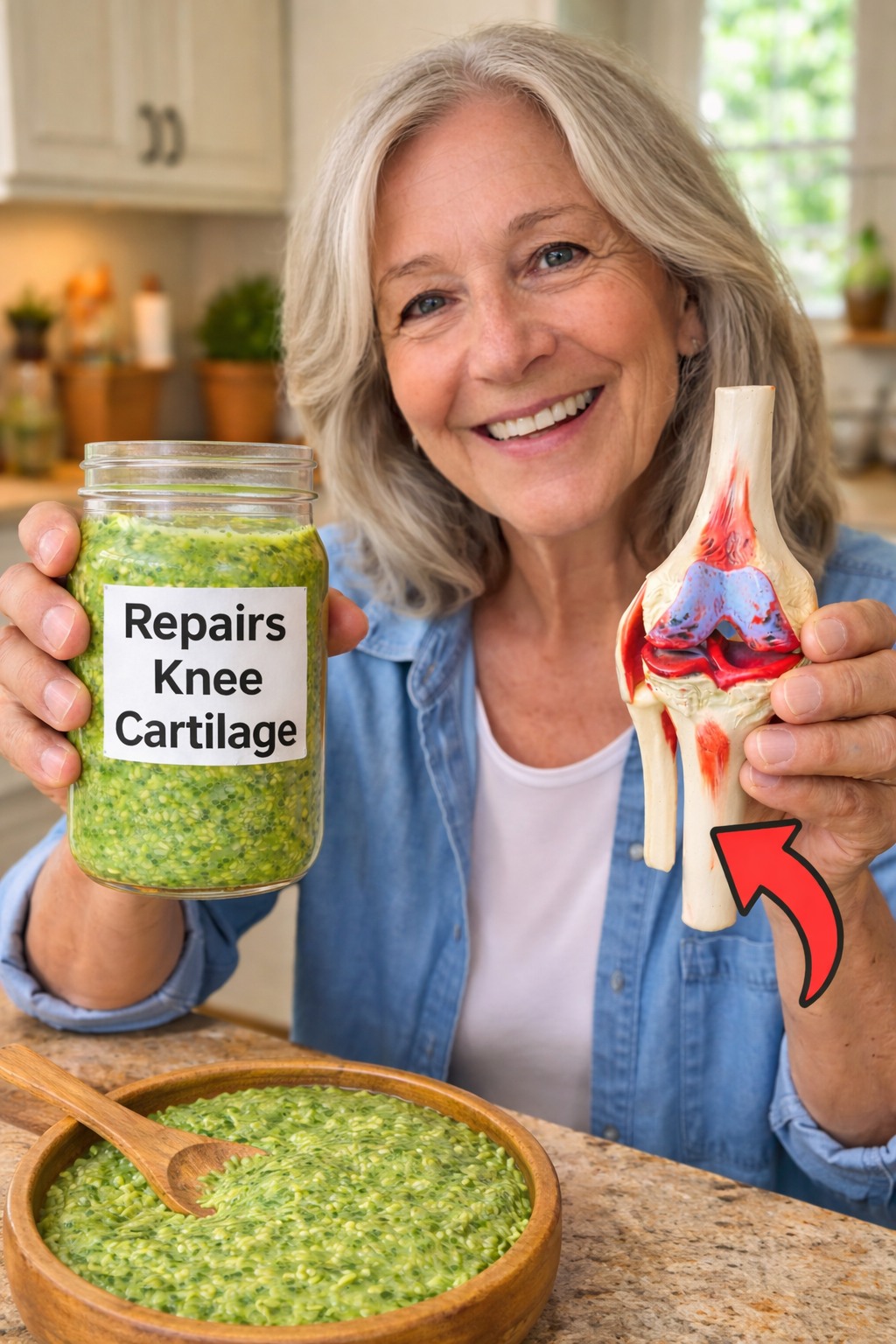
Many older adults notice their knees starting to feel stiff and uncomfortable as the years pass by, making simple activities like standing up from a chair, walking up stairs, or even enjoying a leisurely stroll become more challenging than they used to be. This discomfort can slowly impact your sleep, your mood, and your overall sense of independence and happiness in daily life, leaving you feeling limited in ways that affect everything from family time to personal hobbies. But what if certain dietary choices could play a supportive role in maintaining healthy joints? That’s why the recent comments from a 97-year-old orthopedic surgeon about one particular green food have sparked so much interest — and in this article, we’ll explore what he shared, the science behind it, and practical ways you can incorporate this food into your routine for better joint support, but the real secret lies in how you prepare and consume it consistently every day, so keep reading to discover the full picture.
Understanding Knee Cartilage and Why It Matters as We Age
Knee cartilage serves as a natural cushion between the bones in your joint, helping everything move smoothly and absorbing impact during daily activities. Over time, normal wear and tear combined with aging can affect how well it functions, which is why many people look for simple lifestyle habits that support long-term joint comfort. The good news is that everyday choices, including what ends up on your plate, can contribute to overall wellness in this area.
The Surgeon’s Perspective on Everyday Nutrition for Joints
With nearly a century of experience treating patients, this veteran orthopedic surgeon has seen countless cases of knee discomfort. Instead of focusing only on advanced interventions, he often highlights the power of consistent, simple habits — especially nutrition. He points to broccoli as one standout green food worth prioritizing because of its nutrient density and how it fits naturally into meals. His advice feels refreshing because it’s practical and accessible for anyone, no matter their age or fitness level.
But here’s the thing: it’s not about one magic ingredient fixing everything overnight. It’s about building sustainable habits that work together with your body’s natural processes.
The Science Behind Broccoli and Joint Health Support
Broccoli belongs to the cruciferous vegetable family and packs a serious nutritional punch. It’s loaded with vitamin C, which plays a key role in collagen production — the protein that helps give structure to cartilage and connective tissues. It also delivers vitamin K, antioxidants, and fiber, all of which contribute to a balanced inflammatory response and overall wellness.
What makes broccoli particularly interesting is a compound called sulforaphane. Studies, including research from the University of East Anglia, have explored how sulforaphane may influence enzymes involved in cartilage maintenance and help manage certain inflammation pathways in lab and animal models. While human studies continue and more evidence is needed, these findings align with broader research showing that diets rich in vegetables like broccoli are associated with better joint comfort outcomes over time.
Here’s where it gets even more interesting. Broccoli also supports gut health through its fiber content, and emerging science links a healthy gut to lower systemic inflammation — another factor that can influence how your knees feel day to day.
Key Nutrients in Broccoli That May Support Joint Wellness
Research suggests several ways broccoli’s nutrients can fit into a joint-friendly lifestyle:
- Vitamin C for Collagen Support: Helps your body produce and maintain collagen, the building block of healthy cartilage.
- Sulforaphane for Inflammation Management: This unique compound has been studied for its potential to modulate inflammatory responses in joint tissues.
- Antioxidants Against Oxidative Stress: Combat free radicals that can contribute to tissue wear over time.
- Vitamin K and Bone Health: Works alongside calcium to support strong bones, which complement healthy cartilage for smoother movement.
- Fiber for Overall Balance: Promotes digestive health and may aid weight management, reducing extra load on your knees.
These benefits shine brightest when broccoli is part of a varied, balanced diet rather than a standalone solution.
Easy Actionable Tips to Add More Broccoli to Your Routine
You don’t need fancy equipment or complicated recipes to make broccoli a daily habit. Start small and build from there. Here are straightforward steps you can try right away:
- Steam fresh florets for 5–7 minutes until bright green and tender-crisp — this method preserves the most nutrients.
- Roast broccoli on a sheet pan with a drizzle of olive oil, garlic, and a pinch of salt at 400°F for 15–20 minutes for caramelized flavor.
- Chop raw broccoli into salads or slaws for added crunch and texture.
- Blend it into smoothies with banana, spinach, and your favorite liquid for a quick morning boost.
But that’s not all. Preparing a simple green mixture ahead of time makes it effortless to stay consistent.
Simple Broccoli Green Mixture Recipe (Makes about 2 cups – store in a jar!)
Ingredients:
- 2 cups fresh broccoli florets
- 1 cup fresh spinach leaves
- 1 tablespoon olive oil
- Juice of half a lemon
- 1 garlic clove (optional)
- Pinch of sea salt
Instructions:
- Pulse the broccoli and spinach in a food processor or chop finely by hand until you have a coarse, green mixture.
- Stir in the olive oil, lemon juice, garlic, and salt.
- Transfer to a clean glass jar and refrigerate for up to 3 days.
- Use as a spread on toast, a topping for eggs or grilled chicken, or stir into soups and smoothies.
This preparation mirrors the kind of nutrient-packed green blends that health-conscious cooks love — easy, versatile, and ready when you are.
Complementary Habits That Enhance Your Joint Support Plan
Diet works best alongside other positive habits. Consider pairing your broccoli routine with these proven strategies:
- Stay well-hydrated to keep joint fluid healthy and cushioning optimal.
- Engage in low-impact movement like swimming, walking, or gentle yoga several times a week.
- Maintain a healthy weight to ease pressure on your knees.
- Prioritize quality sleep and stress management, as both influence how your body handles everyday inflammation.
Other Green Foods Worth Exploring
While broccoli gets the spotlight here, variety keeps things interesting and maximizes nutrient intake. Spinach, kale, and Brussels sprouts offer overlapping benefits and can rotate nicely into your meals.
| Green Food | Standout Nutrients | How It May Support Joints |
|---|---|---|
| Broccoli | Sulforaphane, Vitamin C | Anti-inflammatory pathways, collagen support |
| Kale | Vitamin K, Antioxidants | Bone strength and tissue maintenance |
| Spinach | Folate, Iron, Vitamin C | Energy, recovery, and overall wellness |
Rotating these keeps your plate colorful and your body getting a broad spectrum of plant compounds.
Common Questions About Green Foods and Knee Health
1. How often should I eat broccoli to notice potential benefits?
Aim for 2–3 servings per week at minimum, but daily small amounts (even in the green mixture recipe) work even better for building consistent habits.
2. Is raw broccoli better than cooked for joint support?
Lightly steaming or roasting preserves most nutrients while making it easier to digest; raw works too but may cause mild bloating for some people.
3. Can this replace medical advice or treatments for knee discomfort?
No — dietary changes support overall wellness but should complement, not replace, guidance from your healthcare provider, especially if you experience persistent symptoms.
Wrapping It Up: Small Changes, Big Potential
Incorporating broccoli and similar green foods into your daily meals offers a simple, enjoyable way to take proactive steps toward better joint comfort. The wisdom shared by experienced surgeons reminds us that sometimes the most powerful tools are the ones already in our kitchens. Start with the green mixture recipe this week and pay attention to how you feel over the coming days — many people report enjoying more energy and mobility when these habits become routine.
Disclaimer: This article is for informational and educational purposes only. It is not intended to diagnose, treat, cure, or prevent any disease or health condition. The content is based on general scientific research and should not replace professional medical advice. Always consult with your healthcare provider before making significant dietary or lifestyle changes, particularly if you have existing medical conditions or are taking medications.