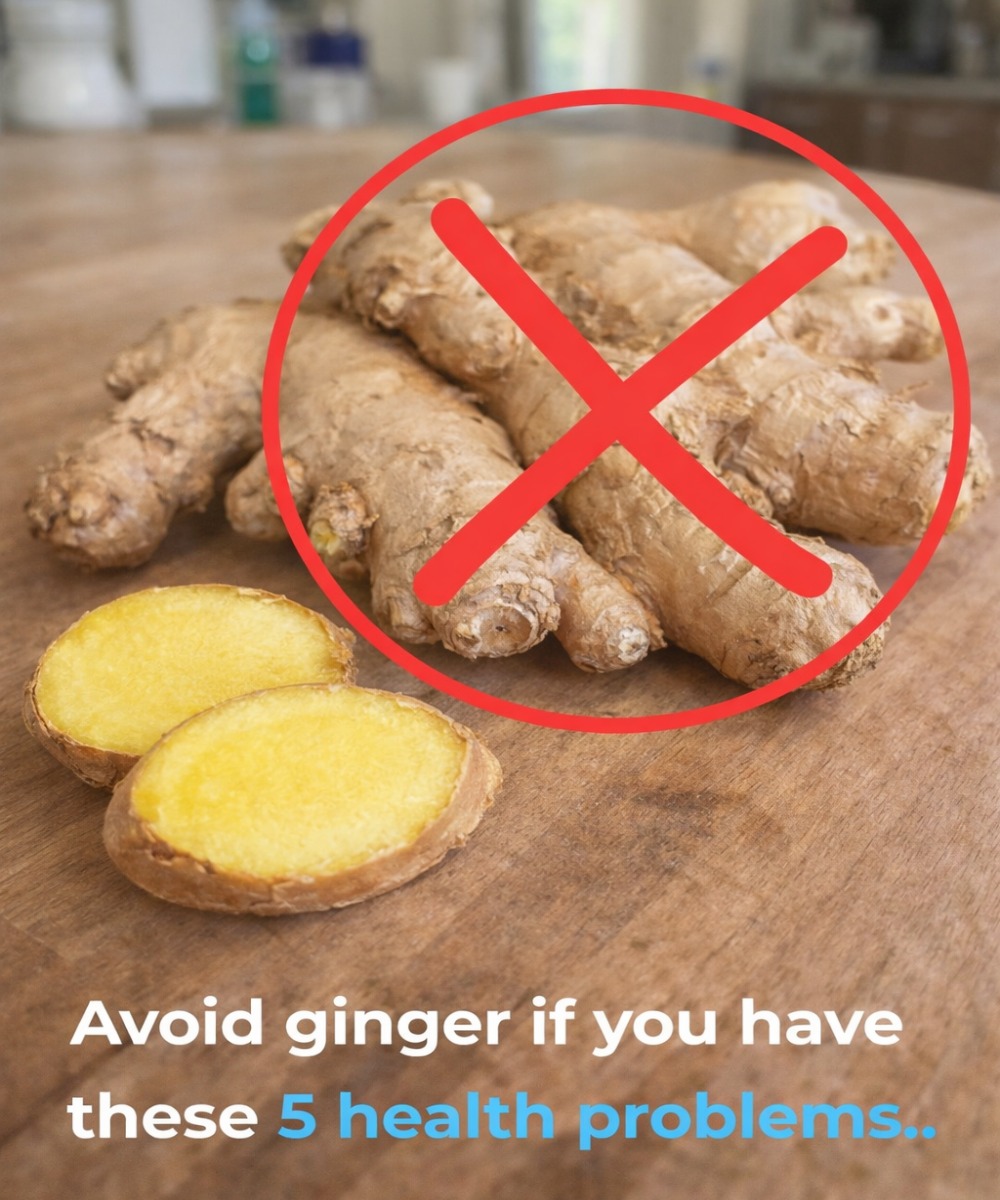
Ginger is celebrated as a natural powerhouse for digestion, inflammation, and nausea relief. But for millions dealing with certain health issues, this popular spice could be doing more harm than good – potentially worsening symptoms or clashing with medications. If you’ve been adding ginger to your teas or meals thinking it’s always healthy, you might want to think twice. The good news? Understanding these risks empowers you to make smarter choices for your well-being. And here’s the kicker: by the end of this post, you’ll know exactly when to skip the ginger and what to try instead for lasting relief.
Ginger has earned its reputation for good reason. For most people, moderate amounts of fresh or dried ginger deliver impressive benefits without any drama. But even the most trusted natural remedies have limits, and research shows that ginger’s active compounds (like gingerols) can interact with your body in ways that aren’t always helpful.
But here’s where things get tricky…
Certain health conditions turn ginger from friend to potential foe. Health experts, including sources like WebMD, consistently flag five specific situations where regular or high-dose ginger use deserves serious caution. Let’s break them down one by one so you can spot if any apply to you.
1. Bleeding Disorders or Blood-Thinning Medications
If you live with a bleeding disorder or take medications like warfarin, aspirin, or clopidogrel, ginger’s natural blood-thinning effects can amplify risks. Studies suggest these compounds may slow clotting even further, raising the chance of easy bruising, prolonged bleeding, or nosebleeds.
Why this matters: What feels like a simple morning tea could interact with your treatment plan in unexpected ways. Experts recommend checking with your doctor before adding ginger, especially in supplement form.
Safer swaps? Focus on anti-inflammatory options like turmeric (in small amounts) or omega-3-rich foods such as salmon and walnuts. These support circulation without the same clotting concerns.
2. Diabetes or Blood-Sugar-Lowering Medications
Ginger can naturally lower blood sugar levels by improving insulin sensitivity. For anyone managing diabetes with insulin or oral medications, this extra drop may push levels too low – leading to hypoglycemia symptoms like dizziness, sweating, or confusion.
Research backs this up: Multiple clinical reviews note ginger’s ability to influence fasting blood sugar and HbA1c, which is great news in some cases but risky when combined with existing treatments.
Here’s the part most people miss: even small daily doses can add up. Always monitor your levels closely and talk to your healthcare provider before making changes.
Gentler alternatives include cinnamon tea or green tea. Both help stabilize glucose more mildly when used alongside a balanced diet rich in fiber and protein.
3. Heart Disease or Heart Medications
People with heart conditions or those taking beta-blockers, calcium channel blockers, or antiarrhythmic drugs face another concern. High amounts of ginger may influence heart rhythm or blood pressure in ways that interfere with prescribed therapies.
The surprising reality: While moderate ginger often supports healthy circulation, excessive intake has been linked in some studies to palpitations or fluctuations – exactly what you want to avoid when your heart needs stability.
If you fall into this group, the safest move is moderation or avoidance. Instead, lean on heart-friendly choices like garlic (in food amounts) or flaxseeds, which offer anti-inflammatory perks without the same medication risks.
4. Pregnancy – Especially in the Third Trimester
Many women use ginger early in pregnancy to ease morning sickness, and it’s often considered helpful in small amounts. But experts advise caution in the final trimester. Large doses may stimulate uterine contractions or increase bleeding risk near delivery.
Important nuance: The amount matters hugely. Occasional fresh ginger in cooking is usually fine earlier on, but supplements or strong teas deserve a conversation with your obstetrician.
Safer nausea relief? Warm lemon water or peppermint tea can soothe without the same concerns. Small, frequent meals also help keep discomfort at bay.
5. Gallstones or Stomach Ulcers
Ginger stimulates bile production and can increase stomach acid – helpful for healthy digestion but potentially irritating if you already have gallstones or peptic ulcers. This may worsen bloating, pain, or reflux symptoms.
What studies show: The same compounds that aid general digestion can aggravate existing gallbladder or ulcer issues by ramping up secretions.
If these conditions sound familiar, it’s wise to skip concentrated ginger forms. Soothing options like chamomile tea or aloe vera juice (in approved amounts) calm the digestive tract more gently.
Here’s a quick recap to make it stick:
- Bleeding issues or blood thinners → Increased bleeding risk
- Diabetes → Possible hypoglycemia
- Heart conditions → Potential medication interference
- Late pregnancy → Contraction concerns
- Gallstones or ulcers → Worsened irritation
These five scenarios highlight why “natural” doesn’t automatically equal “safe for everyone.”
Actionable Tips: How to Stay Safe and Still Support Your Health
Ready to take control? Here are practical steps you can start today:
- Review your medications – Make a list of everything you take (including over-the-counter) and bring it to your next doctor visit. Ask specifically about ginger interactions.
- Start small and track – If you’re unsure, try tiny amounts of fresh ginger in food (not supplements) and note how you feel.
- Choose alternatives wisely – Swap ginger tea for cinnamon, turmeric (with black pepper for absorption), or lemon-ginger-free herbal blends.
- Prioritize whole foods – Load up on colorful vegetables, lean proteins, and healthy fats to naturally support the same benefits ginger provides.
- Consult before supplements – Never add ginger capsules or high-dose extracts without professional guidance, especially with chronic conditions.
These simple habits keep you protected while still enjoying the power of food as medicine.
Why This Matters More Than Ever
Even natural ingredients like ginger carry real potency. The key isn’t fear – it’s informed choice. By knowing these five health conditions where ginger deserves caution, you protect yourself and your loved ones from avoidable setbacks. Most importantly, you open the door to personalized strategies that truly work for your unique body.
FAQ – Quick Answers to Common Questions
Can pregnant women use ginger at all?
Small amounts early in pregnancy often help with nausea, but experts recommend avoiding larger doses in the third trimester. Always check with your obstetrician first.
Does ginger interact with blood thinners?
Yes – it may enhance their effects and raise bleeding risk. Talk to your doctor before combining them, even in food form.
What are the most common side effects of too much ginger?
Heartburn, diarrhea, or mild stomach upset can occur in sensitive individuals. High doses may also cause issues for those with the conditions listed above.
Bottom line: Ginger remains a wonderful addition for many people. But if any of the five health problems above apply to you, listening to your body (and your doctor) can make all the difference.
Disclaimer: This article is for informational purposes only and is not a substitute for professional medical advice, diagnosis, or treatment. Always consult your healthcare provider before making changes to your diet, supplements, or medications, especially if you have existing health conditions or take prescription drugs. Individual results may vary.