
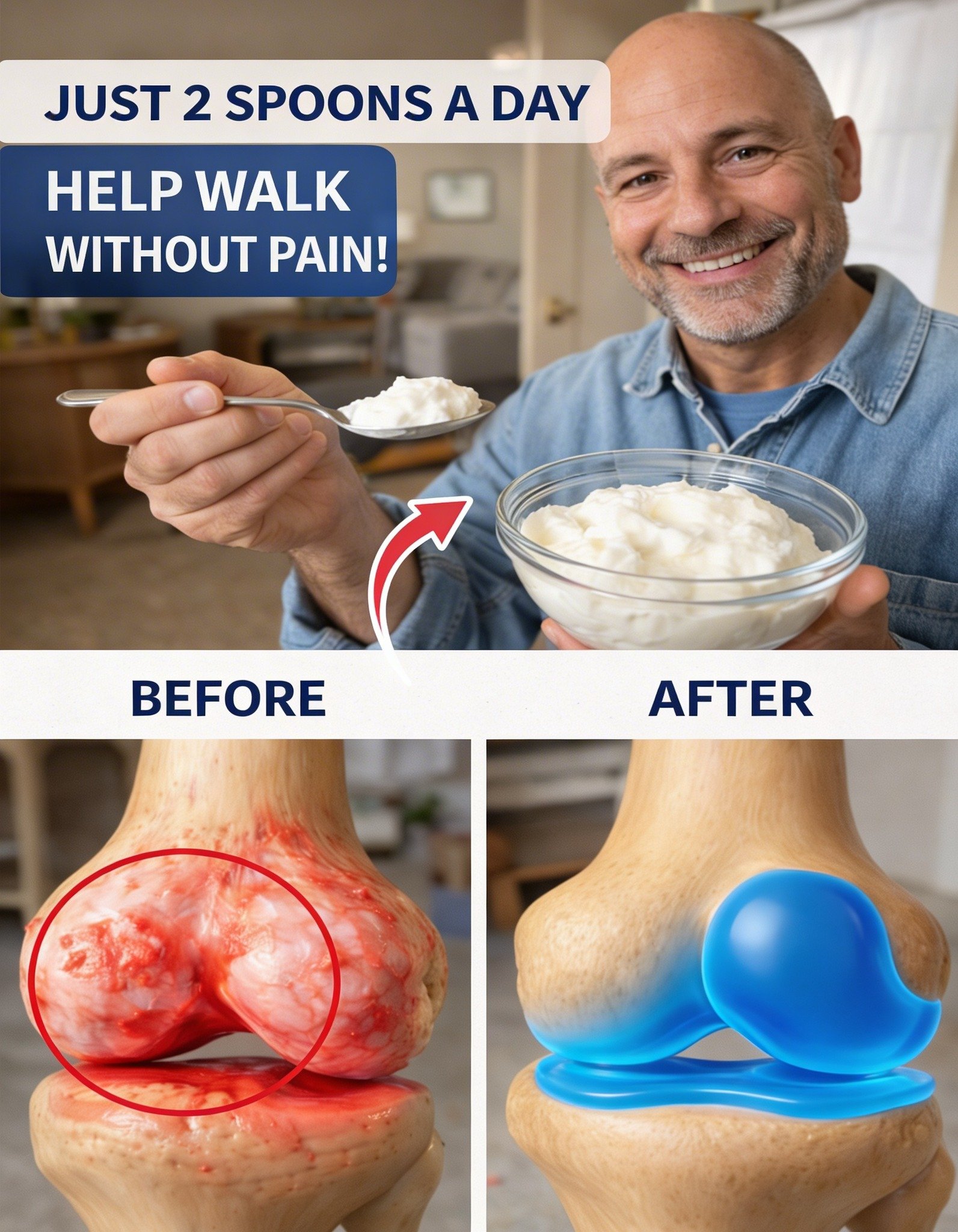
Can One Simple Food Support Knee Cartilage Health and Comfortable Movement Naturally?
Knee discomfort can slowly steal the joy from simple moments like climbing stairs, walking in the park, or standing up from a chair. Over time, that stiffness can feel frustrating and limiting, especially when it seems to appear out of nowhere. Many people start searching for quick solutions, hoping that one special food or habit might bring fast relief. The truth is more nuanced, and by the end of this article, you will understand what actually supports knee cartilage health and why the real answer is both simpler and more powerful than viral headlines suggest.

Understanding Knee Cartilage and Why It Matters
Cartilage is a smooth, flexible tissue that cushions the ends of bones inside your joints. In the knee, it helps absorb shock and allows movement without friction. When cartilage becomes thinner over time due to aging, repetitive stress, or inflammation, the joint may feel stiff or uncomfortable.
But here is something important.
Cartilage does not rebuild overnight. It does not regenerate fully within twenty four hours because of one single food. Any claim suggesting instant rebuilding is not supported by current scientific understanding.
However, that does not mean nutrition is irrelevant. In fact, it plays a meaningful role in supporting joint structure, managing inflammation, and maintaining mobility over time.
The Truth About “One Food” and Joint Health
You may have seen headlines claiming that one specific food can rebuild knee cartilage in a day. These claims often feature creamy bowls, supplements, or exotic ingredients presented as miracle solutions.
But here is the reality.
Cartilage health depends on several factors:
- Adequate protein intake
- Essential vitamins and minerals
- Anti inflammatory nutrients
- Consistent physical movement
- Overall metabolic health
No single food works alone. Instead, a combination of supportive nutrients helps the body maintain healthy connective tissue.
That said, one category of foods stands out for joint support.
Collagen Rich and Collagen Supporting Foods
Collagen is a structural protein found in cartilage. As we age, collagen production naturally decreases. Supporting collagen synthesis can contribute to joint resilience over time.
Foods that may support collagen production include:
- Bone broth
- Lean poultry
- Fish with skin
- Eggs
- Citrus fruits rich in vitamin C
- Leafy greens
Research published in nutrition journals suggests that adequate protein combined with vitamin C may help support normal collagen formation in the body. Vitamin C acts as a cofactor in collagen synthesis, meaning your body needs it to produce collagen efficiently.
But that is not all.
The Role of Anti Inflammatory Nutrition
Chronic low grade inflammation can affect joint comfort. While food does not act like medication, certain dietary patterns are associated with lower inflammatory markers.
A joint supportive eating pattern often includes:
- Fatty fish such as salmon or sardines
- Extra virgin olive oil
- Nuts and seeds
- Colorful vegetables
- Berries
- Whole grains
Studies examining Mediterranean style eating patterns show associations with improved mobility and overall joint comfort in aging adults. These benefits likely come from a combination of omega three fatty acids, antioxidants, and plant compounds.
Here is the interesting part.
The synergy of nutrients appears more powerful than any single ingredient.

What Actually Supports Cartilage Health Over Time
Let us break it down clearly.
Cartilage is maintained through a balance of mechanical stimulation, nutrient availability, and cellular activity. Supporting it requires a multi layer approach.
1. Adequate Protein Intake
Protein provides amino acids such as glycine and proline that are building blocks of collagen. Without sufficient protein, connective tissues may not maintain optimal structure.
Aim to include a source of protein at each meal, such as:
- Greek yogurt
- Lentils
- Chicken
- Tofu
- Fish
2. Vitamin C for Collagen Formation
Vitamin C supports the enzymes involved in collagen production. Sources include:
- Oranges
- Kiwi
- Strawberries
- Bell peppers
- Broccoli
3. Omega Three Fatty Acids
Omega three fats are associated with balanced inflammatory responses. Fatty fish is one of the most researched sources.
4. Weight Management
Excess body weight increases mechanical stress on knee joints. Even modest weight reduction may reduce load on the knees during movement.
5. Regular Movement
Gentle strength training and low impact activities such as walking or swimming help nourish cartilage by stimulating circulation of joint fluid.
And this is where most people miss the point.
Nutrition works best when combined with movement.
Why “Twenty Four Hour Rebuilding” Is Misleading
Cartilage tissue has limited blood supply. This means changes happen gradually, not instantly.
When people feel improvement within a short time after changing diet, it is often due to:
- Reduced fluid retention
- Lower inflammatory response
- Improved hydration
- Placebo effect
These changes can improve comfort, but they do not represent complete structural rebuilding.
Sustainable improvement takes weeks to months of consistent habits.
That may sound less exciting than a miracle claim.
But it is empowering because it means you have control.
A Simple Daily Routine for Supporting Knee Comfort
If you want something practical, here is a straightforward plan.
Morning
- Start with a protein rich breakfast
- Add fruit rich in vitamin C
- Drink enough water
Midday
- Include leafy greens or colorful vegetables
- Choose healthy fats such as olive oil
Evening
- Add fatty fish two or three times per week
- Do gentle mobility exercises for ten minutes
Weekly
- Perform strength training focusing on thighs and hips
- Aim for consistent sleep
These steps are realistic and sustainable.
Over time, small habits compound.
Comparison Table: Viral Claims vs Evidence Based Support
| Viral Claim | Evidence Based Perspective |
|---|---|
| One food rebuilds cartilage in a day | Cartilage maintenance requires ongoing nutritional and mechanical support |
| Instant transformation | Gradual changes over weeks or months |
| Cream or supplement alone is enough | Whole diet and lifestyle matter most |
| Works for everyone | Individual responses vary |
This comparison highlights why skepticism is healthy when you encounter dramatic headlines.
Psychological Appeal of Quick Fix Solutions
Why do these claims spread so quickly?
Because they tap into hope.
When movement becomes uncomfortable, people naturally look for immediate answers. The idea that two spoonfuls of something could restore comfort feels comforting.
But sustainable health rarely comes from shortcuts.
It comes from consistency.
And consistency may not be flashy, but it works.
What Research Actually Suggests
Scientific studies on joint health commonly focus on dietary patterns rather than single foods. Research examining collagen peptides suggests potential benefits for joint comfort in some individuals when combined with physical activity. However, effects vary and are not immediate.
Large population studies show that people who consume balanced diets rich in whole foods tend to report better mobility as they age. These findings support the idea that overall nutrition quality matters more than isolated ingredients.
Importantly, no high quality clinical trial demonstrates complete cartilage rebuilding in one day from a food.
Understanding this protects you from disappointment.
Actionable Steps You Can Start Today
If you want to support knee health naturally, here is a clear step by step plan.
- Assess your protein intake and aim for balanced portions at each meal.
- Add at least one vitamin C rich fruit or vegetable daily.
- Include fatty fish twice per week or discuss omega three options with a healthcare professional.
- Reduce ultra processed foods that may promote inflammation.
- Begin low impact strengthening exercises for thighs and hips three times per week.
- Stay hydrated throughout the day.
Track your comfort level over several weeks rather than hours. Notice gradual improvements in flexibility or endurance.
Consistency is the secret that viral headlines skip.
The Bigger Picture
Joint health is influenced by age, genetics, activity level, body composition, and overall metabolic health. Food supports these systems, but it does not operate like a magic switch.
When you combine supportive nutrition with movement, sleep, and stress management, you create an environment where your joints can function at their best.
And that is the real takeaway.
Not a miracle bowl.
Not two spoonfuls.
But daily habits that quietly strengthen your foundation.
Conclusion
While no single food can rebuild knee cartilage within twenty four hours, a balanced diet rich in protein, vitamin C, omega three fatty acids, and plant nutrients can support joint structure and comfort over time. Pairing smart nutrition with regular movement and healthy lifestyle habits offers a realistic and empowering approach to maintaining mobility.
The most powerful solution is not dramatic. It is consistent.
And now you know why that matters more than any viral promise.

Frequently Asked Questions
1. Can collagen supplements support knee comfort?
Some studies suggest collagen peptides may support joint comfort when combined with exercise. Results vary and benefits typically appear over weeks rather than days.
2. How long does it take to notice dietary effects on joints?
Many people report gradual improvements within several weeks when combining balanced nutrition with consistent movement. Structural changes occur slowly.
3. Are there foods to avoid for joint health?
Highly processed foods high in added sugars and refined oils may promote inflammation in some individuals. Focusing on whole foods is generally beneficial.
Disclaimer: This article is for informational purposes only and is not a substitute for professional medical advice. Always consult a qualified healthcare provider regarding personal health concerns or dietary changes.