
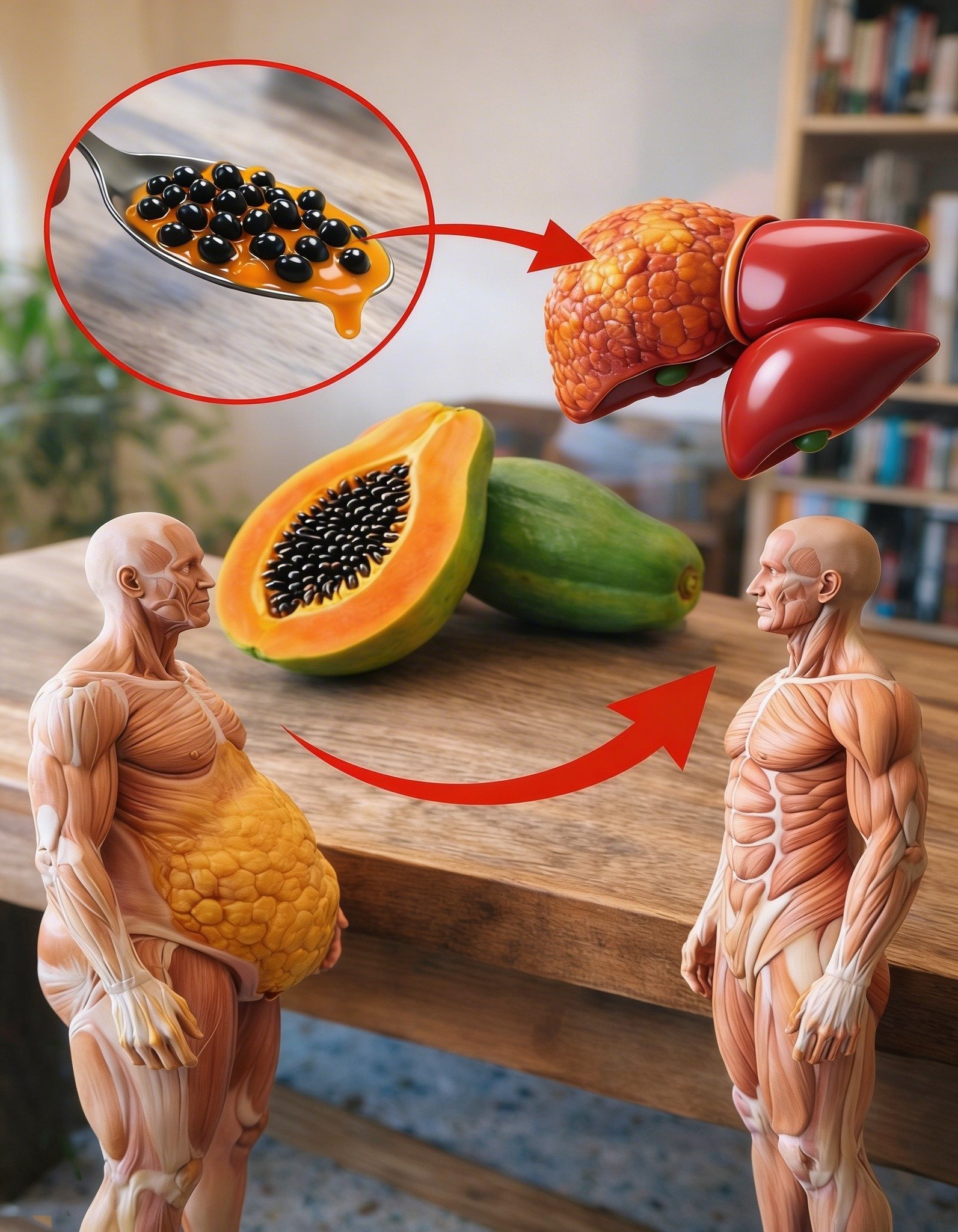
Papaya Seeds Benefits and Safe Ways to Add Them to Your Daily Routine for Overall Health
Bloating after meals, sluggish digestion, and constant cravings can quietly drain your energy day after day. You try to eat healthier, but it still feels like something is missing. The truth is, most people throw away one of the most nutrient dense parts of a fruit they already love. Hidden inside papaya is a small, peppery seed that may offer more support than you expect, and the most surprising part is how simple it is to start using it safely.

Why Papaya Seeds Deserve More Attention
When you slice open a ripe papaya, the bright orange flesh gets all the praise. The glossy black seeds usually end up in the trash.
But here is the interesting part.
Papaya seeds contain plant compounds, healthy fats, and natural enzymes that researchers have been studying for their potential role in digestive and metabolic wellbeing. While they are not a miracle food, they can be a smart addition to a balanced lifestyle.
Several laboratory and animal studies suggest that papaya seeds contain antioxidants such as flavonoids and phenolic compounds. Antioxidants help protect cells from everyday oxidative stress caused by pollution, stress, and normal metabolism. Human research is still developing, but early findings are promising.
And that is only the beginning.
Nutritional Snapshot of Papaya Seeds
Papaya seeds may be tiny, yet they are surprisingly rich in certain nutrients and bioactive compounds.
Here is what makes them unique:
- Healthy fats including oleic acid
- Small amounts of plant based protein
- Fiber that supports digestive regularity
- Natural enzymes such as papain
- Antioxidant compounds
Papain, the same enzyme found in papaya flesh, is known for its ability to break down proteins. This is why papaya is often enjoyed after heavy meals. The seeds contain smaller amounts, but they still contribute to the overall enzyme content.
Research published in food science journals has highlighted the antioxidant activity of papaya seeds, suggesting they may help support the body’s natural defense systems. While more human trials are needed, these findings add credibility to traditional uses of the fruit.
Potential Benefits of Papaya Seeds
It is important to stay realistic. Papaya seeds are not a replacement for medical care or a balanced diet. However, when used thoughtfully, they may offer supportive benefits.
1. Digestive Support
Many people first become curious about papaya seeds because of digestion.
The fiber in the seeds may help promote regular bowel movements. Fiber feeds beneficial gut bacteria, which play a key role in overall wellbeing.
In addition, enzymes like papain assist in breaking down dietary protein. This may help reduce feelings of heaviness after large meals.
But that is not all.
Some traditional practices have used papaya seeds to maintain gut balance. While more large scale human research is needed, early studies suggest the seeds contain natural compounds that may support a healthy intestinal environment.
2. Antioxidant Protection
Every day, your body faces oxidative stress from normal metabolism, air pollution, and even intense exercise.
Papaya seeds contain phenolic compounds and flavonoids that act as antioxidants. Antioxidants help neutralize unstable molecules known as free radicals.
According to various laboratory studies, papaya seed extracts demonstrate measurable antioxidant activity. While eating the seeds is not the same as consuming a concentrated extract, it still contributes beneficial plant compounds to your diet.
Here is the key takeaway.
Including antioxidant rich foods regularly may support long term cellular health as part of an overall nutritious eating pattern.
3. Metabolic and Liver Support
Emerging research has explored how papaya seeds may influence metabolic markers in animal models. Some findings suggest a supportive role in maintaining healthy lipid levels and liver function.
It is important to emphasize that these results are preliminary and mostly based on non human studies. However, they provide a scientific basis for continued research.
What does this mean for you?
When combined with balanced eating, regular movement, and adequate sleep, small additions like papaya seeds may contribute to overall metabolic resilience.
4. Natural Plant Compounds with Unique Properties
Papaya seeds contain a compound called benzyl isothiocyanate. This compound has been studied for its biological activity in laboratory settings.
Researchers are interested in how such plant compounds interact with the body’s natural processes. While we cannot draw strong conclusions yet, it highlights the complexity of whole foods and their potential value beyond basic vitamins and minerals.
And this is where things get fascinating.
Whole foods often work through multiple small mechanisms rather than one dramatic effect. That is why consistency matters more than quick fixes.
How to Eat Papaya Seeds Safely
Before you rush to add a spoonful to your smoothie, let us talk about safety.
Papaya seeds have a strong, peppery flavor. They are potent, so moderation is essential.
Here is a simple step by step guide:
- Scoop the seeds from a ripe papaya.
- Rinse them thoroughly under running water to remove pulp.
- Let them air dry on a clean towel if you prefer a milder taste.
- Start with a small amount, about half a teaspoon.
- Chew them well or blend into a smoothie.
Some people choose to dry the seeds and grind them into a powder, using it as a pepper substitute in salad dressings or soups.
Important reminder.
Because papaya seeds are concentrated, large amounts may cause digestive discomfort. Begin slowly and observe how your body responds.
Who Should Be Cautious?
While papaya seeds are generally safe in small culinary amounts, certain individuals should be more careful.
- Pregnant women should avoid consuming large quantities due to limited safety data.
- People with known papaya allergies should avoid the seeds.
- Individuals with sensitive stomachs may experience discomfort if they consume too much.
If you are taking medication or managing a health condition, it is always wise to speak with a qualified healthcare professional before making significant dietary changes.
Better safe than sorry.
Papaya Flesh Versus Papaya Seeds
Both parts of the fruit offer benefits, but they are different.
Here is a quick comparison:
Papaya Flesh
- Rich in vitamin C
- High in beta carotene
- Naturally sweet and hydrating
- Gentle source of fiber
Papaya Seeds
- Higher in certain healthy fats
- Contain concentrated plant compounds
- Strong, peppery flavor
- Used in small amounts
Instead of choosing one over the other, consider enjoying the whole fruit in balanced portions.

Simple Ways to Add Papaya Seeds to Your Routine
Consistency is easier when habits feel practical.
Try these ideas:
- Blend half a teaspoon of fresh seeds into a tropical smoothie with papaya, pineapple, and yogurt.
- Crush dried seeds and sprinkle lightly over avocado toast.
- Mix ground seeds into homemade salad dressing for a subtle kick.
- Add a small pinch to soups as a natural spice alternative.
Start small. You can always adjust the amount based on taste and tolerance.
Here is the part many people overlook.
Pairing papaya seeds with a fiber rich diet and adequate hydration amplifies digestive comfort more than relying on any single ingredient alone.
What Science Currently Says
Scientific interest in papaya seeds is growing, especially in areas like antioxidant activity and gut health.
Laboratory studies have demonstrated antimicrobial and antioxidant properties in papaya seed extracts. Animal studies have explored metabolic markers and liver support. However, high quality human trials are still limited.
That means we should approach the topic with curiosity and caution.
Whole foods can play a supportive role in health, but they are part of a broader lifestyle that includes balanced nutrition, movement, stress management, and regular medical checkups.
There is no magic ingredient.
But there are smart habits.
The Bigger Picture of Digestive Wellness
If you are considering papaya seeds because of digestive discomfort, remember that lasting improvement usually comes from a combination of factors:
- Eating a variety of fruits and vegetables
- Including enough fiber throughout the day
- Drinking adequate water
- Moving your body regularly
- Managing stress levels
Papaya seeds can fit into this bigger picture, not replace it.
And here is the open loop we mentioned earlier.
The real power of papaya seeds is not in dramatic claims. It is in the quiet consistency of adding small, nutrient dense elements to your daily routine over time.
That is where meaningful change often begins.
Conclusion
Papaya seeds are often overlooked, yet they contain fiber, healthy fats, enzymes, and antioxidant compounds that may support digestive and metabolic wellbeing. While research in humans is still evolving, early findings and traditional practices suggest they can be a valuable addition to a balanced diet when used in moderation.
Start small, stay consistent, and focus on the overall pattern of your lifestyle. Small habits practiced daily often create the biggest impact.
Frequently Asked Questions
Can I eat papaya seeds every day?
Yes, many people consume small amounts daily, such as half a teaspoon. Moderation is key, and it is best to observe how your body responds.
Do papaya seeds taste bitter?
They have a strong, peppery flavor rather than sweetness. Drying or grinding them can make the taste milder and easier to incorporate into meals.
Are papaya seeds better than supplements?
Whole foods provide a complex mix of nutrients and plant compounds that work together. For most people, adding small amounts of papaya seeds to a balanced diet is preferable to relying solely on isolated supplements, unless advised otherwise by a healthcare professional.
Disclaimer: This article is for informational purposes only and does not replace personalized advice from a qualified healthcare professional.
