Tired of pouring money into expensive hair serums and skin creams that promise the world but deliver little more than temporary shine or a faint glow? You’re not alone—millions wake up every morning frustrated by dull, brittle hair that breaks easily and skin that looks tired no matter how many products line the bathroom counter. The constant cycle of chemical-laden treatments leaves you feeling defeated, self-conscious about your appearance, and wondering if true, lasting beauty really has to come with a hefty price tag. But what if the most powerful solution has been sitting in your kitchen all along, waiting to be discovered? Stick with me until the end, because the surprising way this simple staple works—and the easy routine that could change everything—might just be the natural beauty breakthrough you’ve been searching for.
What Exactly Is Rice Water?
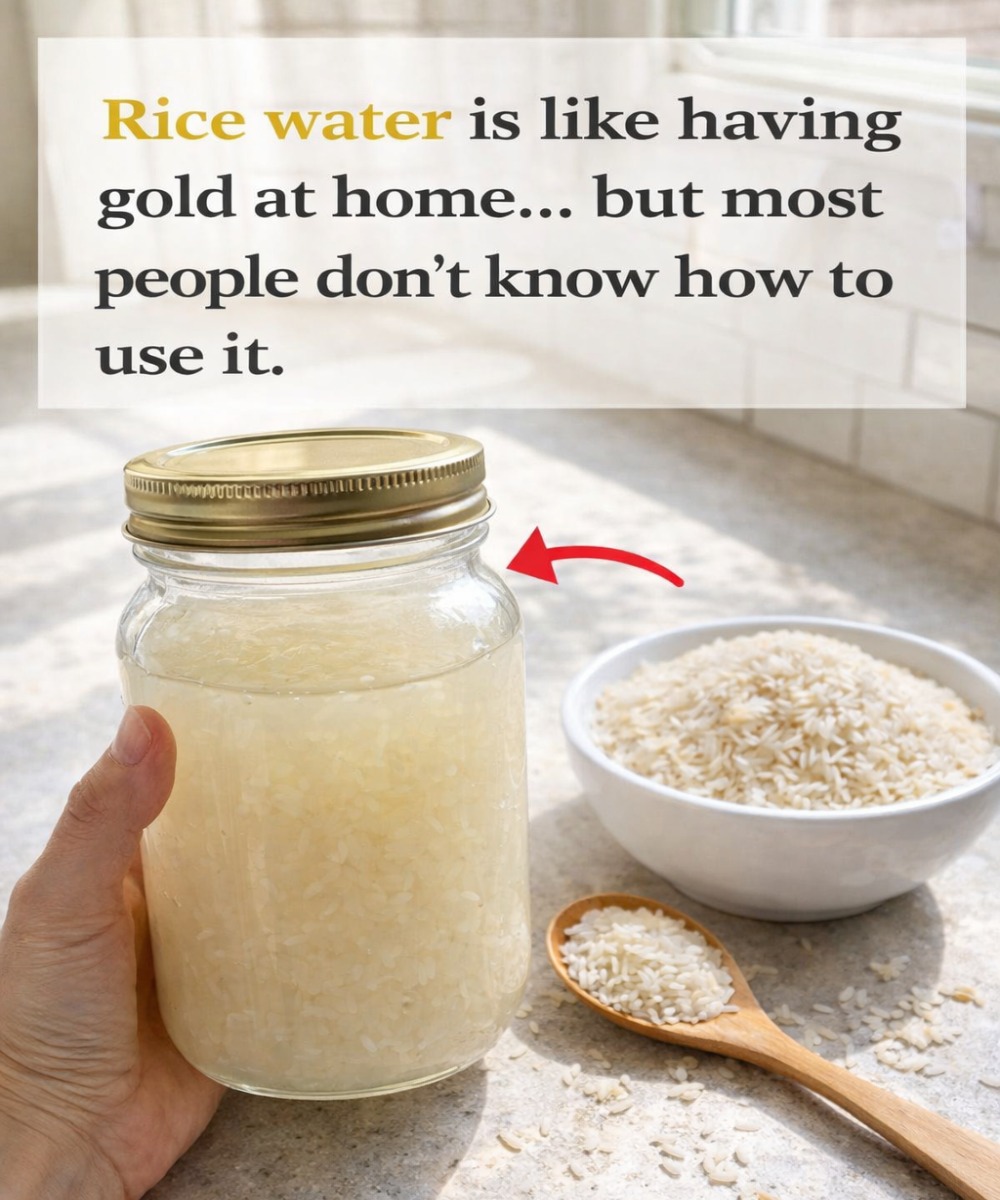
Rice water is simply the starchy liquid left behind after rinsing, soaking, or boiling rice. For centuries, women across Asia have saved this cloudy water instead of pouring it down the drain, using it as a gentle rinse for hair and a soothing toner for skin. Far from a trendy TikTok hack, it’s a time-honored beauty ritual passed down through generations. But here’s where it gets interesting: that everyday byproduct is packed with natural compounds like inositol, amino acids, B vitamins, vitamin E, and ferulic acid—ingredients that modern beauty labs now study for their potential to support healthier-looking hair and skin.
The Rich History Behind This Ancient Beauty Ritual
Long before luxury beauty brands existed, Japanese women during the Heian period (794–1185 CE) were already rinsing their hair with rice water to achieve the long, glossy locks celebrated in classic literature. In China, the Yao women of Huangluo village became famous for hair that reaches waist length, crediting their daily rice-water rinses. Research into traditional practices shows this wasn’t superstition—it was practical wisdom. Today, scientists are catching up, exploring why rice water continues to appear in beauty routines worldwide.
Why Rice Water May Support Stronger, Shinier Hair
But that’s not all. The real magic lies in how rice water interacts with your hair strands. Studies, including research published in the Journal of Cosmetic Science, highlight inositol—a carbohydrate found in rice water—that may help repair damaged hair from the inside out by reducing friction and boosting elasticity. The starch creates a light protective coating that can make strands appear thicker and smoother almost instantly. And the antioxidants? They fight daily environmental stress that leads to dullness and breakage.
Here are some ways rice water is traditionally praised for supporting hair health:
- May reduce breakage and split ends by strengthening the hair shaft with amino acids and proteins.
- Adds natural shine and smoothness thanks to the starch film that reflects light beautifully.
- Supports scalp comfort with gentle anti-inflammatory compounds that may soothe irritation.
- Helps tame frizz and flyaways for more manageable styles, especially in humid weather.
- Promotes a healthier-looking appearance over time when used consistently as a rinse.
Of course, results vary from person to person, and while anecdotal stories are plentiful, science continues to explore these traditional benefits.
How Rice Water May Help Reveal Brighter, More Radiant Skin
Now let’s talk skin. Fermented rice water, in particular, shows promising antioxidant activity according to a 2018 study in the journal Cosmetics. It may help inhibit enzymes linked to loss of skin firmness while delivering gentle hydration. Ferulic acid, a potent antioxidant naturally present in rice, is often highlighted in dermatological research for its ability to support skin’s natural defenses against environmental stressors.
Consider these potential skin-supporting perks that have made rice water a staple in Asian beauty traditions:
- May brighten and even skin tone through mild exfoliation from natural acids produced during fermentation.
- Supports hydration by helping the skin retain moisture without feeling heavy or greasy.
- Soothes sensitive or irritated skin with calming compounds that feel gentle even on reactive complexions.
- Offers antioxidant protection that may contribute to a more youthful-looking appearance over time.
- Works as a lightweight toner that preps skin beautifully for the rest of your routine.
The best part? It’s incredibly affordable and easy to incorporate—no fancy equipment required.
The Science That Makes This More Than Just a Folk Remedy
Here’s the part that excites beauty enthusiasts and researchers alike. While large-scale clinical trials are still limited, smaller studies point to real mechanisms. For instance, rice water has demonstrated in-vitro antioxidant activity comparable to vitamin C in some lab tests, and its elastase-inhibiting properties suggest potential anti-aging support. A systematic review on rice products also notes positive effects on hair and scalp health in certain formulations. These findings align with centuries of real-world use, giving this kitchen staple genuine credibility in the natural beauty space.
Step-by-Step: How to Make Your Own Rice Water at Home (3 Simple Methods)
Ready to try it? You’ll be amazed how easy this is. Here are three foolproof ways to prepare rice water safely at home:
1. Quick Soak Method (Perfect for Beginners)
- Rinse ½ cup uncooked rice (white or jasmine works great) under cool water until the water runs mostly clear.
- Place rinsed rice in a bowl with 2–3 cups filtered water.
- Swirl gently with clean hands for 2–3 minutes until the water turns cloudy.
- Strain and use immediately or let sit 30 minutes for stronger infusion.
2. Boiled Method (Milder Scent)
- Cook rice as usual but collect the starchy water after boiling.
- Let it cool completely before applying to hair or skin.
3. Fermented Version (For Extra Potency)
- Follow the quick soak method.
- Leave the strained water at room temperature for 12–48 hours until it smells slightly sour (like yogurt).
- Refrigerate after fermentation and use within a week.
Pro tip: Always start with a small batch and patch-test on your inner arm first.
Simple, Actionable Ways to Use Rice Water for Hair and Skin
Now that you have your rice water, here’s exactly how to put it to work:
For hair: After shampooing, pour or spray the rice water over clean, damp hair from roots to ends. Massage gently into the scalp for 2–3 minutes, then leave on for 10–20 minutes (or longer if using the fermented version). Rinse lightly with cool water or leave a tiny bit in for extra conditioning. Use 1–2 times per week to avoid buildup.
For skin: Use fermented rice water as a toner by saturating a cotton pad and sweeping it across your face after cleansing. Or mix a small amount into your favorite face mask for an added boost. Many people notice a softer, brighter feel after just a few consistent uses.
And here’s something most people miss: combining rice water with a gentle scalp massage can enhance the experience and leave you feeling pampered.
Why Consistency Is the Real Game-Changer
The secret isn’t magic—it’s patience and smart use. Start slowly, listen to your hair and skin, and adjust as needed. Some notice shinier hair within a couple of weeks, while skin benefits often appear gradually with daily toner use. Remember, rice water works best as part of a balanced routine that includes a healthy diet, hydration, and sun protection.
Final Thoughts: Your Kitchen Holds More Power Than You Think
Rice water reminds us that sometimes the simplest solutions are the most effective. This ancient beauty secret offers a gentle, natural way to support the health and appearance of your hair and skin—without breaking the bank or exposing yourself to harsh chemicals. Give it a try for a few weeks and see how your reflection changes. You might be surprised at how something so ordinary can deliver such beautiful results.
Frequently Asked Questions
How often should I use rice water on my hair?
Most people see best results with 1–2 applications per week. Overuse can lead to protein overload, making hair feel stiff, so listen to your strands and adjust accordingly.
Is rice water suitable for all skin types?
Generally yes, but those with very sensitive skin or conditions like eczema should patch-test first and consult a dermatologist. The fermented version tends to be more gentle due to its pH balance.
What’s the difference between plain and fermented rice water?
Plain rice water is quicker and milder, while fermented rice water develops natural acids and probiotics that may enhance antioxidant benefits and brighten skin more noticeably. Start with plain if you’re new to the routine.
Disclaimer: The information in this article is for educational and informational purposes only. It is not intended as medical or dermatological advice. Results may vary. Always perform a patch test before full use and consult a healthcare professional or dermatologist before starting any new beauty regimen, especially if you have underlying skin or scalp conditions.