
What Are Tonsil Stones? A Complete Guide to Understanding and Managing Them at Home
Have you ever noticed a persistent bad breath that brushing doesn’t fix, or felt like something is stuck in the back of your throat? Many people deal with small, white or yellowish lumps on their tonsils – known as tonsil stones or tonsilloliths. These can lead to discomfort, an unpleasant taste, or even occasional ear pain, making everyday conversations or meals feel awkward and frustrating. The good news is that tonsil stones are common and often manageable with simple daily habits and gentle at-home approaches.
In this guide, we’ll explore what causes them, common signs to watch for, safe ways to handle them yourself, and practical steps to reduce their recurrence – plus a surprising everyday habit that many overlook but can make a real difference in keeping your throat clearer longer.
What Exactly Are Tonsil Stones?
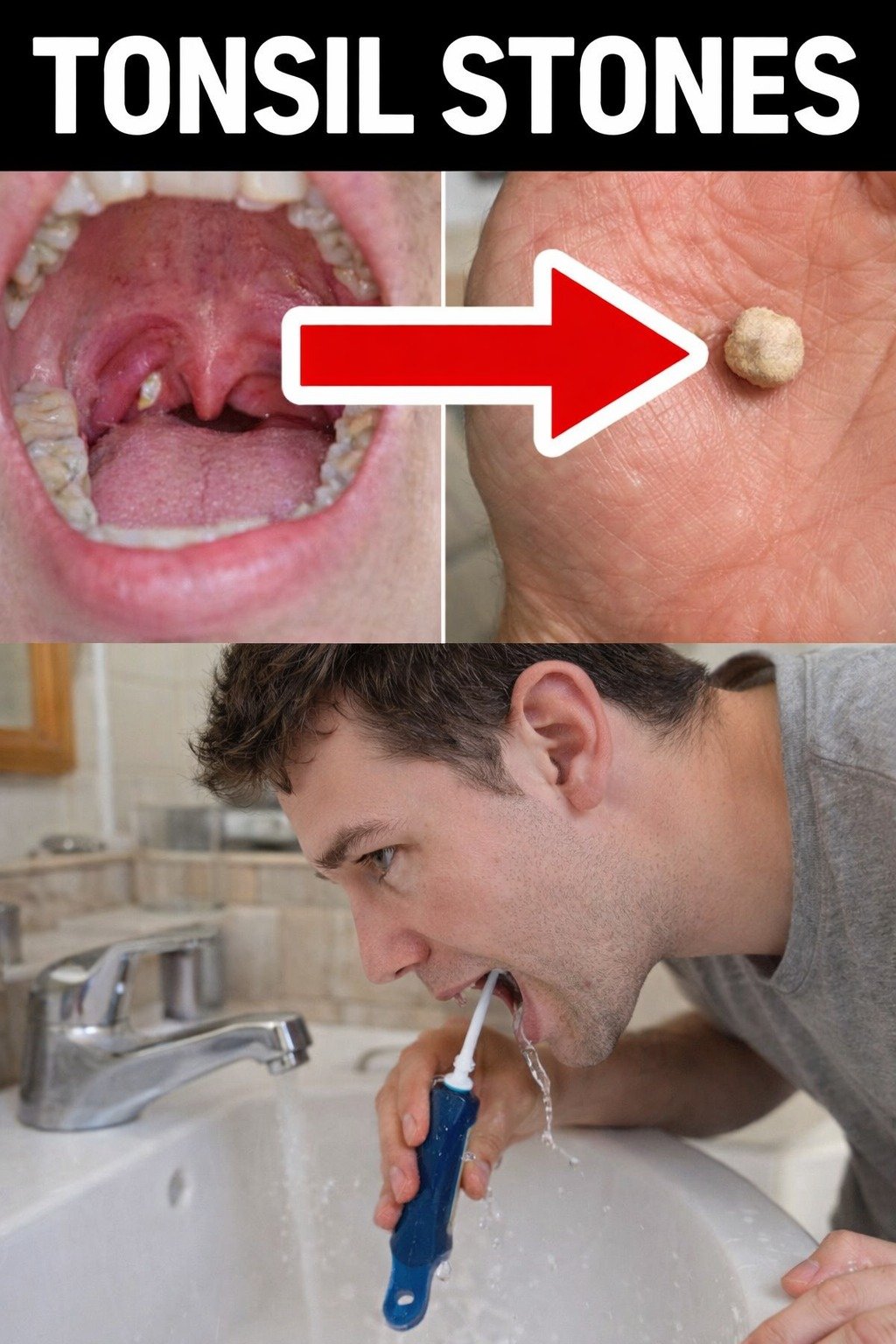
Tonsil stones form when debris like food particles, dead cells, mucus, and bacteria get trapped in the natural crevices (called crypts) of your tonsils. Over time, this material hardens and calcifies, creating small, pebble-like formations that are usually white or yellow.
These pockets are more noticeable in people with deeper tonsil crypts or a history of frequent throat issues. Research from sources like the Cleveland Clinic shows that tonsil stones are made up of hardened minerals (such as calcium), along with trapped bacteria and debris – but they’re generally harmless and not a sign of serious infection.
Common Symptoms You Might Notice
Tonsil stones don’t always cause obvious problems, especially when small. But when they grow or shift, you may experience:
- Persistent bad breath (halitosis) that lingers despite good oral care
- A feeling of something lodged in your throat
- Mild sore throat or irritation
- Occasional ear pain (due to shared nerve pathways)
- A bad taste in your mouth
- Visible white spots on your tonsils when looking in a mirror
But that’s not all – some people cough them up unexpectedly or notice them after eating certain foods. If symptoms feel more intense, like swelling or difficulty swallowing, it’s worth checking with a healthcare professional.
What Causes Tonsil Stones to Form?
Several factors increase the likelihood of tonsil stones developing:
- Poor oral hygiene, allowing more bacteria and debris buildup
- Frequent tonsil infections or enlarged tonsils with deeper crypts
- Dry mouth from dehydration or certain medications
- Post-nasal drip from sinus issues, adding extra mucus
- Diet high in dairy or sugary foods (which can promote bacterial growth in some cases)
Studies indicate that people prone to tonsillitis or with naturally irregular tonsil surfaces are more susceptible, according to insights from Mayo Clinic Health System and similar reliable sources.
Safe and Gentle Ways to Manage Tonsil Stones at Home
Many tonsil stones dislodge on their own or with minimal effort. Here are some practical, low-risk methods supported by health experts:
- Gargle with Warm Salt Water Mix about 1 teaspoon of salt in a cup of warm water. Gargle vigorously for 20-30 seconds, focusing on the back of your throat. This helps loosen debris, reduce bacteria, and soothe irritation. Repeat several times a day.
- Stay Hydrated and Use a Water Flosser Drink plenty of water to keep your mouth moist and flush out particles. A low-pressure water flosser (oral irrigator) can gently rinse the tonsil area after meals – aim carefully and start on the lowest setting.
- Practice Good Oral Hygiene Brush your teeth and tongue twice daily, floss regularly, and use an alcohol-free mouthwash. This removes bacteria before they accumulate.
- Try Gentle Coughing or Natural Dislodging A strong cough can sometimes pop smaller stones out. Avoid aggressive poking to prevent irritation.
But here’s the interesting part – consistency with these habits often prevents new stones from forming more effectively than one-time fixes.
Step-by-Step Home Management Tips
Follow these actionable steps for better results:
- Morning Routine: Start your day with a warm salt water gargle to clear overnight buildup.
- After Meals: Rinse your mouth thoroughly or use a water flosser to prevent food particles from settling.
- Evening Wind-Down: Brush, floss, and gargle again before bed – this reduces bacterial activity while you sleep.
- Weekly Check: Use a mirror and good lighting to spot any visible stones early.
Many find that combining hydration with regular gargling cuts down recurrence noticeably.
Prevention Strategies to Keep Tonsil Stones Away
Reducing tonsil stones often comes down to daily prevention:
- Maintain excellent oral hygiene to limit bacterial growth.
- Stay well-hydrated to avoid dry mouth.
- Manage allergies or sinus issues to cut post-nasal drip.
- Consider limiting dairy if you notice it worsens symptoms (though this varies person to person).
- Avoid smoking, which can irritate the throat and promote buildup.
Research suggests that consistent oral care routines significantly lower the chances of stones returning.
When to See a Professional
While most tonsil stones are manageable at home, consult a doctor or ENT specialist if you experience:
- Persistent pain, swelling, or bleeding
- Difficulty swallowing or breathing
- Frequent infections or very large stones
- Symptoms that don’t improve with home care
They can provide personalized advice or, in rare cases, discuss further options.
Frequently Asked Questions (FAQ)
How long do tonsil stones last? Small ones often fall out or dissolve within days to weeks with good hygiene. Larger ones may persist longer but usually aren’t permanent.
Can tonsil stones cause infection? They can contribute to bad breath and mild irritation from bacteria, but they’re rarely a direct cause of serious infection. Good habits help keep things in check.
Are tonsil stones contagious? No – they’re not spread from person to person like a virus. They’re simply buildup in your own tonsils.
Tonsil stones can be annoying, but understanding them empowers you to take simple steps for relief and prevention. Start with better hydration and gargling today – you might notice a difference sooner than you think. One often-overlooked tip? Pay extra attention to tongue cleaning, as it harbors bacteria that can migrate to the tonsils.