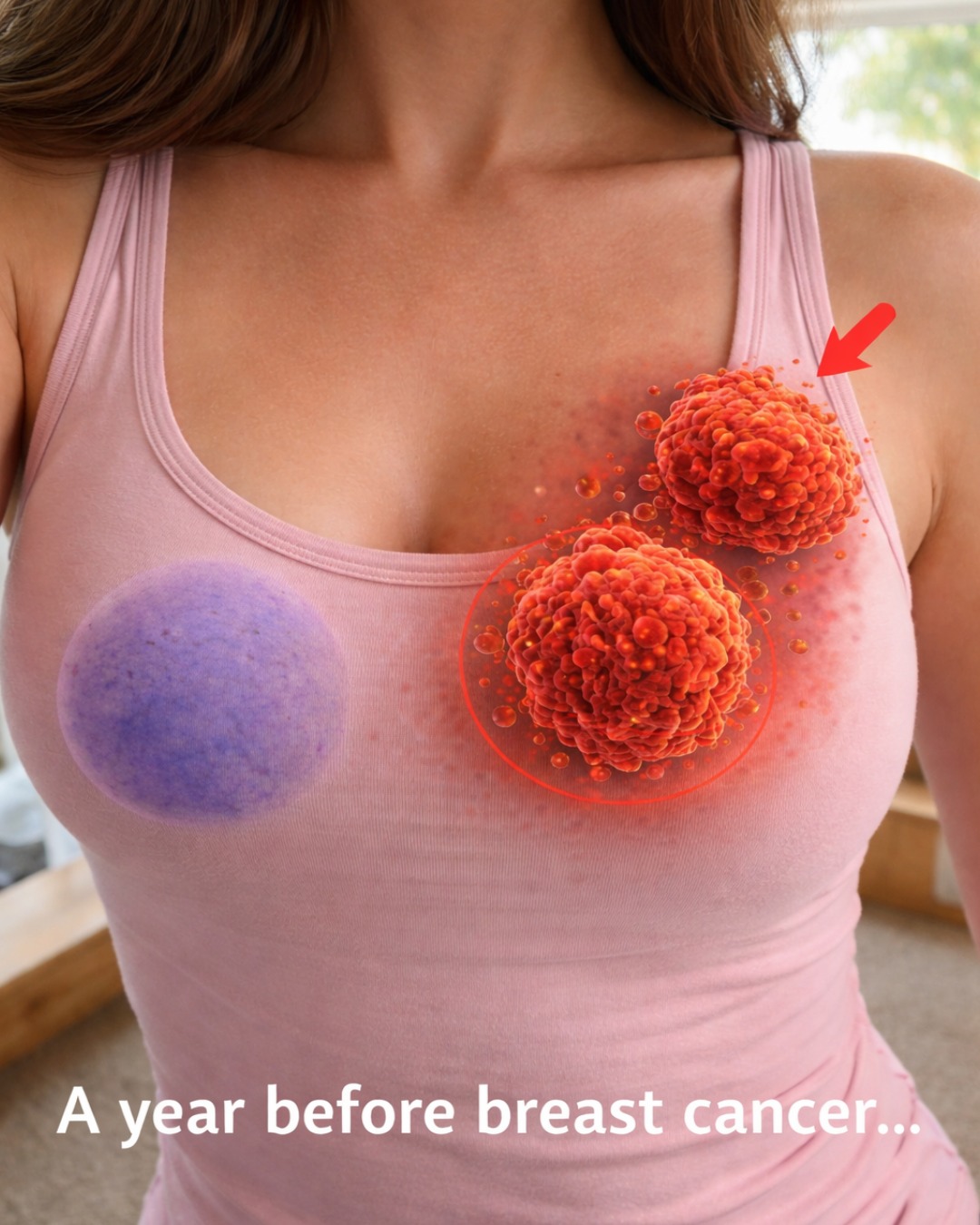
Many women notice subtle changes in their breasts from time to time and simply chalk them up to hormones, aging, or everyday life. Over time, though, those small differences can start to linger, creating quiet worry and uncertainty about what they really mean for your health. The good news is that staying informed about common breast changes can help you feel more confident and know exactly when it makes sense to talk with a doctor.
But here’s the part most people miss: there’s one simple daily habit that can make all the difference in catching things early, and we’ll share exactly how to build it into your routine before this article ends.
Understanding Breast Changes and Why Awareness Matters
Breast health awareness has come a long way, yet many changes still go unnoticed until they become more obvious. Organizations like the Centers for Disease Control and Prevention (CDC) and the American Cancer Society stress that knowing what your breasts normally look and feel like is one of the smartest steps you can take. Research consistently shows that most breast cancers are discovered through routine screening or by noticing a change yourself. That’s why paying attention to your body in a calm, informed way can bring real peace of mind.
The truth is, not every change signals something serious. Many turn out to be completely benign. Still, certain patterns deserve a closer look from a healthcare professional so you can move forward with clarity instead of worry.
Sign 1: A New Lump or Thickening in the Breast or Underarm
One of the most commonly discussed changes is the appearance of a new lump or an area of thickening. It might feel like a hard knot, a thickened spot, or something that simply doesn’t match the rest of the breast tissue. Sometimes it’s painless; other times it may feel tender.
Watch for these specific details:
- A lump that stays the same size or grows over time
- Thickening that doesn’t go away after your menstrual cycle
- Any new mass in the underarm area
But that’s not the only change worth noticing. Your skin can tell its own story.
Sign 2: Changes in Breast Skin Texture or Color
Skin on the breast can shift in ways that feel surprising. You might see dimpling that looks like the peel of an orange, redness that covers part of the breast, or a rash-like irritation that appears only on one side. The skin could also look puckered or pulled inward in one spot.
Studies shared by the Mayo Clinic note that these visual shifts can sometimes appear before other symptoms. The key is noticing if the change is new and persistent rather than something that comes and goes with your cycle. When only one breast is affected, it’s especially helpful to mention it during your next check-up.
Here’s what makes this sign different from everyday irritation: it doesn’t improve with simple skin care or time. That alone is reason enough to have a professional take a look.
Sign 3: Nipple Changes or Unexpected Discharge
Your nipples can also send clear signals. A nipple that suddenly turns inward when it used to point outward, scaling or flaking around the nipple, or redness limited to the nipple area can all be worth monitoring. Some women notice clear or bloody discharge that isn’t related to breastfeeding.
This change often affects just one breast, which helps set it apart from normal hormonal shifts. The American Cancer Society points out that while discharge can have many causes, any new or unusual fluid is best evaluated by a doctor so you can rule out concerns quickly.
And yes, there’s still one more important sign that many women overlook.
Sign 4: Changes in Breast Size, Shape, or Symmetry
Breasts naturally change over a lifetime, but sudden differences in size, shape, or how the two breasts look side by side can stand out. One breast might appear swollen, one side might look lower than usual, or the overall contour could shift noticeably.
These changes don’t always come with pain or a lump. Sometimes they’re the only clue something is different. Tracking symmetry month to month gives you a personal baseline that makes new differences easier to spot.
The important thing to remember? These four signs are simply information. They help you decide when it’s smart to reach out to a healthcare provider instead of waiting.
How to Do a Simple Breast Self-Exam Every Month
Building a quick self-exam habit is one of the easiest ways to stay connected with your body. Experts at the American Cancer Society recommend doing it once a month when your breasts are least tender—usually a few days after your period ends.
Follow these straightforward steps:
- Stand in front of a mirror with your arms at your sides, then raise them overhead, and finally place hands on your hips while leaning forward slightly. Look for any changes in shape, size, skin texture, or nipple position.
- In the shower with wet, soapy skin, use the flat pads of three fingers to move in small circles with light, medium, and firm pressure. Cover the entire breast from collarbone to bra line and armpit to cleavage.
- Lie down on your back with one arm behind your head. Repeat the circular motion on each breast and underarm area.
- Gently squeeze each nipple to check for any discharge.
That’s it—just five minutes a month. Over time, you’ll know exactly what “normal” feels like for you, making it easier to notice anything new.
Lifestyle Habits That Support Overall Breast Health
While no single habit can eliminate all risk, small daily choices can help you feel proactive. Many studies link these habits to better long-term wellness:
- Stay active with at least 150 minutes of moderate movement each week
- Eat plenty of colorful fruits, vegetables, and whole grains
- Limit alcohol to no more than one drink per day if you drink at all
- Maintain a comfortable weight for your body
- Quit smoking or avoid secondhand smoke
The real power comes from combining these habits with regular self-checks and recommended screenings.
When Is the Right Time to Talk With Your Doctor?
If you notice any of the changes described above, schedule an appointment soon rather than waiting for your next annual visit. Your doctor can perform a clinical breast exam and, if needed, order imaging or other tests for complete peace of mind.
Screening guidelines often start mammograms around age 40, but women with family history or other risk factors may begin earlier. The best plan is always the one you create together with your healthcare provider.
Frequently Asked Questions
How common are these breast changes in everyday life?
Many women experience lumps, skin shifts, or nipple changes at some point, and the vast majority turn out to be benign. Still, any new or persistent change is worth a quick conversation with your doctor to be sure.
Can men notice the same signs?
Yes—though less common, men can experience breast changes too. The same four signs apply, and anyone who notices them should reach out to a healthcare professional.
Do I need to stop wearing underwire bras or using certain products?
Current research does not link underwire bras or everyday personal care items to increased risk. Focus instead on knowing your own breasts and following screening recommendations that fit your age and health profile.
Staying aware of these four early signs of breast cancer gives you a practical tool for taking charge of your health without panic. You now have clear information, simple steps you can start today, and the confidence to act when something feels different. Small habits practiced consistently really do add up to big peace of mind.
Disclaimer: This article is for informational purposes only and is not intended to diagnose, treat, cure, or prevent any disease. It does not replace professional medical advice. Always consult with a qualified healthcare provider regarding any concerns about your breast health or before making any health-related decisions.