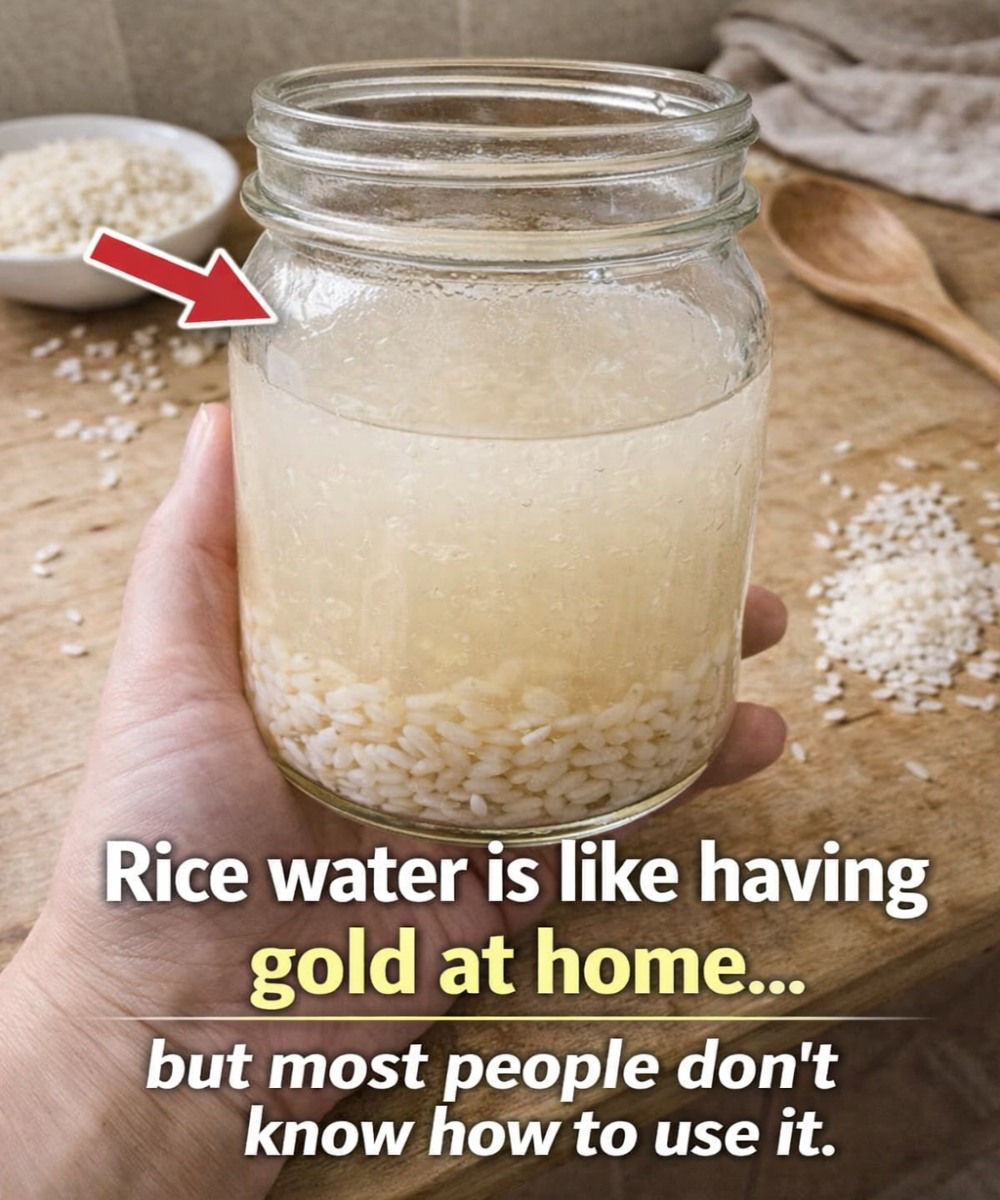
Every time you wash rice before cooking, that cloudy water usually goes straight down the drain without a second thought. It’s easy to feel frustrated spending money on expensive beauty products when a potential natural option is right there in your kitchen. This simple habit might be missing out on something special that generations before us valued highly. But what if this everyday liquid could become part of your beauty routine in surprising ways? Keep reading because later I’ll reveal a little-known preparation trick that many modern guides overlook, one backed by both tradition and some interesting research.
Why Rice Water Has Been a Beauty Secret for Centuries
Rice water—the starchy liquid left after soaking or rinsing rice—has been part of beauty routines in Asian cultures for hundreds of years. Women in Japan, Korea, and China have long appreciated it for supporting the appearance of healthy skin and hair. Its appeal is straightforward: it’s free, easy to make at home, and comes from a common kitchen staple.
But here’s what makes it stand out in today’s natural beauty world. It fits perfectly into busy modern lifestyles without requiring fancy equipment or trips to the store. And the best part? You already have everything you need in your pantry.
The Science Behind Rice Water’s Potential Benefits
When rice soaks in water, it releases compounds like inositol, amino acids, and vitamins such as B and E. It also contains ferulic acid, an antioxidant, and allantoin, known for its soothing properties. Some research published in journals like the Journal of Cosmetic Dermatology has looked into how these elements might help support skin barrier strength and hair resilience when applied topically.
Other studies in the International Journal of Cosmetic Science suggest inositol may help reduce friction on hair strands. And that’s not all. These natural components are what make rice water an intriguing option for at-home care.
Key compounds often highlighted include:
- Inositol: May support hair follicle strength and skin flexibility
- Amino acids: Building blocks that help maintain healthy-looking skin and hair structure
- Vitamins B, C, and E: Can offer protection against daily environmental factors
- Ferulic acid and allantoin: Provide natural soothing effects
Here’s where it gets interesting. These gentle ingredients work in harmony with your skin and hair rather than overpowering them.
Using Rice Water as a Gentle Facial Toner
Many people search for that fresh, luminous look in their skincare. Rice water can serve as a simple toner that may help balance skin pH and gently remove excess oil. Its traditional use in Korea and Japan goes back centuries, long before commercial products became popular.
But the real magic happens when you make it part of your daily ritual. Here’s how many people use it:
- Soak a cotton pad with cooled rice water
- Gently sweep it over clean skin in the morning and evening
- Follow with your usual moisturizer (no need to rinse)
Pro Tip: Pour it into a spray bottle and keep it in the fridge for a refreshing mist throughout the day. This little step turns an ordinary morning into a spa-like moment.
Supporting Natural Skin Firmness with Rice Water
Over time, environmental factors can affect skin’s natural elasticity. The antioxidants in rice water may help combat daily stressors. A 2018 study noted that fermented versions might support collagen in skin cells in laboratory settings and offer some UV protection potential.
That’s why incorporating it into your evening routine appeals to so many. But wait—consistency is key here. Many notice smoother texture after several weeks of regular use.
Simple routine to try:
- Cleanse your face as usual
- Apply diluted fermented rice water with clean hands
- Let it air dry for 5 to 10 minutes
- Follow with your favorite serum or cream
This easy four-step process takes less than 15 minutes yet can leave your skin feeling softer and more resilient.
The Traditional Hair Rinse of Yao Women
The Yao women of southern China are renowned for their incredibly long hair, often reaching over five feet in length. Their secret? Regular rinses with fermented rice water. Research indicates that inositol can coat the hair and may significantly reduce breakage.
Here’s the part most guides miss. The fermentation process seems to amplify the benefits, making the water even more effective for shine and strength. How to use it as a hair rinse (1–2 times per week):
- Wash your hair normally
- Pour 1 to 2 cups of fermented rice water over your hair
- Massage into the scalp for a few minutes
- Leave it on for 10 to 20 minutes
- Rinse with cool water
Many report immediate shine and a feeling of stronger hair with continued use. Imagine running your fingers through hair that feels thicker and healthier—that’s the kind of transformation people notice after a few weeks.
Soothing Irritated Skin with a Relaxing Bath
The gentle, balancing nature of rice water makes it suitable for sensitive skin types. In many Asian households, it’s added to baths to help calm minor discomforts. It’s traditionally used after sun exposure or for general soothing.
But this isn’t just an old custom—it feels luxurious too. Easy method:
- Add 1 to 2 cups of rice water to warm bath water
- Soak for 15 to 20 minutes
- Pat skin dry gently without rinsing
Your skin emerges feeling calm and hydrated, like you just stepped out of a high-end spa.
Boiled Rice Water for Gentle Hydration
In several cultures, boiled rice water is traditionally consumed for mild digestive support or hydration. The cooking process releases simple starches and electrolytes. Important Note: Always boil rice water for at least 10 minutes and let it cool completely before any internal use. Never drink raw or fermented rice water.
This version offers a different angle for overall wellness, but remember—it’s the topical uses that shine brightest for beauty rituals.
How to Make Rice Water at Home – Two Easy Methods
Ready to try it yourself? You don’t need special skills or ingredients. Method 1: Soaked Rice Water (Great for Skin)
- Rinse ½ cup of organic rice
- Place in a bowl with 2 cups of filtered water
- Let it soak for 30 minutes, stirring occasionally
- Strain the liquid into a clean jar
Method 2: Fermented Rice Water (Ideal for Hair)
- Start with the soaking method above
- Transfer the liquid to a glass jar
- Allow it to ferment at room temperature for 24 to 48 hours
- Refrigerate and dilute before using
Quick Comparison of Rice Water Types
| Type | Best For | Intensity | Fridge Life |
|---|---|---|---|
| Non-Fermented | Face and sensitive skin | Gentle | 4–5 days |
| Fermented | Hair and firmness | Stronger | Up to 7 days |
This simple chart helps you choose the right version based on your needs. But here’s the little-known trick many modern guides overlook: In warmer climates, slightly longer fermentation (up to 72 hours) may enhance benefits without an overly strong scent—just keep an eye on the aroma.
Safety Recommendations and Storage Tips
Start with small amounts to test your skin’s response. Always do a patch test first on a small area like your inner arm. Choose organic rice when possible to avoid any unwanted residues.
Discard if it smells off or shows mold. Always store in the refrigerator. These simple habits keep your rice water fresh and effective for weeks.
Ready to Give Rice Water a Try?
Next time you prepare rice, save that rinse water instead of pouring it away. In just a few minutes, you can create a toner, hair rinse, or soothing bath used for generations. A small kitchen habit might add a meaningful touch to your personal care routine.
You’ll love how this free ritual feels both practical and pampering. Over time, it could become your go-to natural beauty secret.
Frequently Asked Questions
Can I use rice water on my face every day?
Many with normal or oily skin use it daily without issues. For dry or sensitive skin, start with 3–4 times per week and observe how your skin responds.
Is brown rice better than white rice?
Both work well. Brown rice offers more nutrients, but white rice is traditionally gentler on pores.
When will I see changes in my hair?
Some notice shine right after the first use. Improvements in texture often appear after 2–4 weeks of consistent application.
Disclaimer: Rice water is a traditional ingredient with limited supporting studies. Results can vary and it is not a substitute for professional medical advice. Consult a healthcare professional for any persistent skin, hair, or health concerns.