
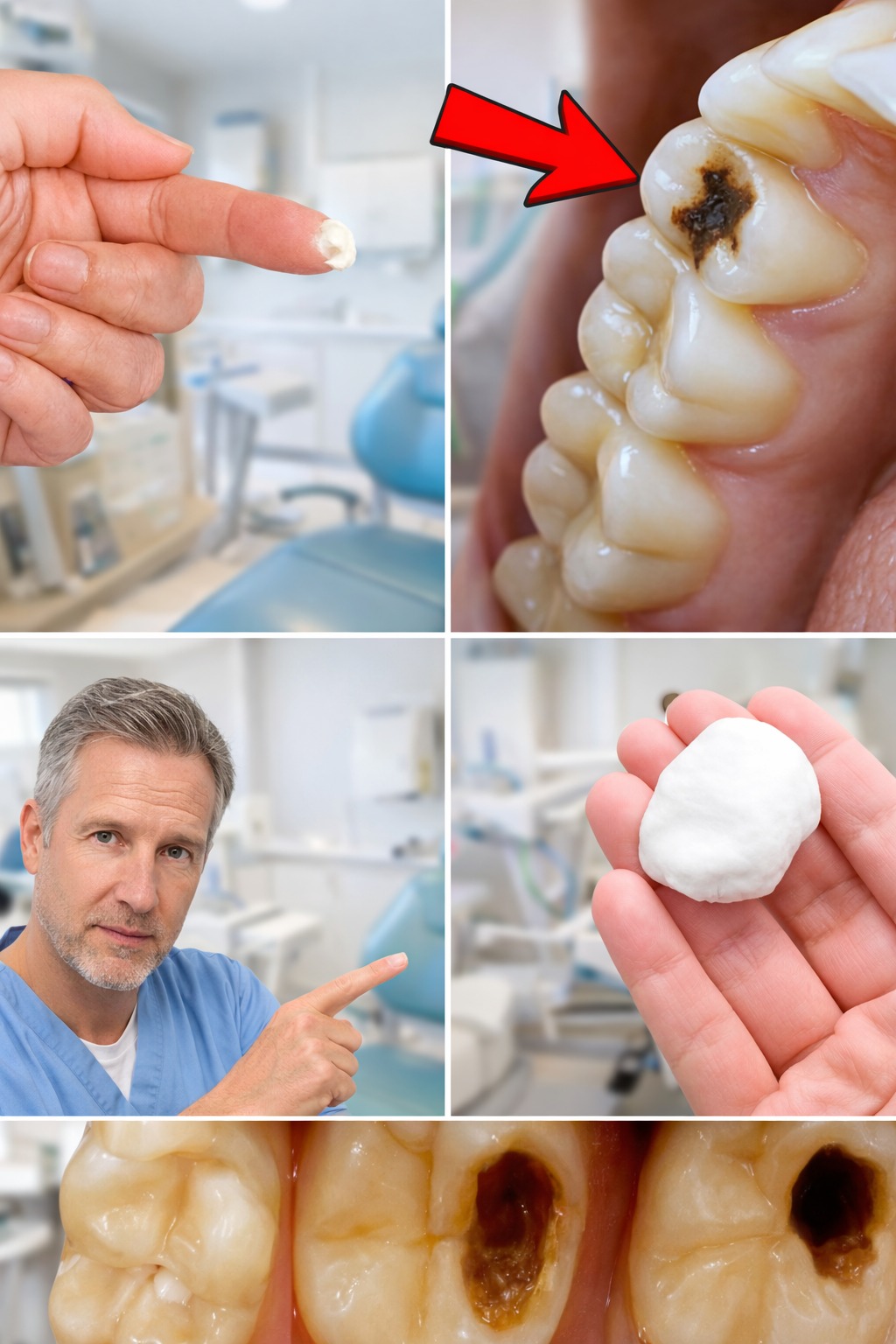
Did you know that over 90% of American adults have had at least one cavity, and nearly 1 in 4 adults aged 20–64 currently have untreated tooth decay? Billions of dollars are spent every year on fillings, crowns, and root canals — yet many of these issues could potentially be minimized through simple daily habits.
Now picture this: you bite into a crisp apple. The satisfying crunch echoes as your strong, mineral-rich enamel resists the impact. No twinge of sensitivity. No worry about hidden decay. Your smile feels confident, bright, and truly healthy from the inside out.
Quick self-check — on a scale of 1 to 10, how would you rate your current tooth sensitivity, gum comfort, and overall confidence in your smile right now? Hold that number. We’ll revisit it at the end.
If you’re over 30 and you’ve ever felt that sudden jolt of pain from a cold drink, noticed your gums bleeding when you floss, or worried about that dull ache that keeps you up at night, you’re far from alone. What if some of the most powerful tools for preventing cavities and strengthening teeth aren’t in expensive tubes or procedures — but right in your kitchen and daily routine? Stick around. You’re about to discover 15 science-supported natural strategies, real transformation stories, exact how-to methods, timelines, and insider tips that most dentists rarely mention. The changes can start faster than you think.
The Hidden Crisis Silently Damaging Millions of Smiles
Turning 40 often brings unexpected dental surprises. That occasional sensitivity becomes constant. Fillings from years ago start failing. Gums recede, and the fear of “the next big bill” lingers. Sound familiar?
Recent surveys show that dental anxiety affects millions, while untreated decay leads to pain, infections, and even impacts heart and overall health. It’s not just one issue — poor enamel leads to cracks, hidden bacteria cause inflammation, and chronic problems drain energy and confidence. You’ve probably tried whitening strips, sensitivity toothpastes, or frequent professional cleanings. They help temporarily but often fail to address the root causes: diet, mineral balance, and daily habits.
Here’s the exciting shift most people miss: your body has a natural ability to remineralize teeth when given the right support. The excitement is just beginning.
Why Your Diet Is the Foundation of Lasting Oral Health
What you eat directly influences the pH balance in your mouth and the minerals available to strengthen enamel. Research suggests that certain nutrient-dense foods may help remineralize teeth and reduce harmful bacteria.

You’re already in the top 40% of committed readers who finish in-depth health guides. Let’s push you into the elite 10% who transform their smiles.
15 Natural Strategies to Prevent Cavities and Strengthen Your Smile
We’ll build from foundation habits to ultimate transformation. You now have 1 out of 15 unlocked. Keep reading — the stories get better.
1–4: Foundation Building Strategies
- Boost mineral intake with calcium, phosphorus, and magnesium-rich foods like leafy greens, nuts, seeds, and quality dairy or alternatives.
- Reduce phytic acid through soaking, sprouting, or fermenting grains, legumes, and seeds to improve mineral absorption.
- Limit processed sugars and refined carbs that feed acid-producing bacteria.
- Stay well-hydrated to support steady saliva flow, nature’s best protector of enamel.
Real Story: Meet Emily, 39, busy teacher in Denver
Emily dealt with constant sensitivity and two new cavities in one year. “I was embarrassed every time I smiled in class.” She focused on mineral-rich meals and proper grain preparation. Within six weeks, her sensitivity dropped dramatically. “My dentist was surprised at my improved check-up — no new issues and stronger enamel readings.”
5–8: Momentum Acceleration Strategies
- Practice oil pulling with coconut or sesame oil to potentially reduce harmful bacteria.
- Use xylitol naturally (from berries or birch) — research shows it may inhibit cavity-causing bacteria.
- Incorporate crunchy vegetables and fruits that naturally clean teeth and stimulate gums.
- Add vitamin K2-rich foods (fermented foods, grass-fed butter) that research suggests help direct minerals to teeth and bones.
Quick mental exercise: Imagine biting into ice cream without that sharp zing of sensitivity. Still with me? Good — the next benefits build even more momentum.
9–12: Life-Changing Territory
- Support gum health through anti-inflammatory foods like fatty fish, berries, and turmeric.
- Use herbal rinses (green tea or sage) that may reduce plaque and inflammation.
- Balance oral pH by avoiding frequent snacking and rinsing after acidic foods.
- Consider trace minerals like zinc and silica for overall tissue strength.
Real Story: Meet Marcus, 47, construction manager in Atlanta
Marcus had receding gums and bleeding during flossing. “I dreaded every dental visit.” He added oil pulling, more leafy greens, and cut hidden sugars. After 30 days, his gums felt firmer and bleeding stopped. “My hygienist asked what I was doing differently — she said my inflammation was way down.”

You’ve unlocked 12 out of 15. The final ones deliver complete transformation.
13–15: Ultimate Transformation Strategies
- Combine consistent remineralization habits for stronger enamel over time.
- Support the oral microbiome with fermented foods and prebiotic fibers.
- Create a complete daily routine that protects against decay while enhancing natural brightness and strength.
Real Story: Meet Sophia, 54, nurse in Phoenix
Sophia faced multiple fillings and fading confidence in her smile. “I felt old before my time.” Implementing the full mineral-focused approach plus oil pulling brought noticeable improvements by month three. “My dentist couldn’t believe the difference in my X-rays. I smile freely now.”
Mid-Article Quiz — You’re in the Top 20% Who Made It This Far!
- How many strategies have we covered? (All 15 — impressive!)
- What’s your biggest oral health struggle — sensitivity, cavities, or gums? Note it down.
- Rate your smile confidence 1–10 again versus the beginning. Any shift?
- Ready for the exact daily timeline and routines? Yes — onward!
What Happens When You Adopt These Natural Habits — The Timeline
| Time Frame | What Many Notice Potentially | Easy Tracking Tip |
|---|---|---|
| 7–14 days | Less sensitivity, fresher breath, reduced bleeding | Note pain levels after cold drinks |
| 30 days | Stronger enamel feel, healthier gums | Weekly gum line photos |
| 60–90 days | Fewer cravings for sweets, visible brightness | Compare dental check-up notes |
| 6+ months | Sustained cavity resistance and overall smile confidence | Annual dentist feedback |
Powerful Daily Routines and Recipes to Strengthen Your Smile
 Morning Mineral Boost Smoothie
Blend spinach, almond milk, plain yogurt, a handful of berries, and a teaspoon of coconut oil. The fats help absorption of fat-soluble vitamins.
Oil Pulling Ritual
Take 1 tablespoon coconut oil, swish gently for 10–15 minutes first thing in the morning, then spit (never swallow). Follow with brushing.
Crunchy Tooth-Cleaning Salad
Mix cucumber, celery, carrots, leafy greens, olive oil, and lemon. Eat daily for natural mechanical cleaning and minerals.
Bonus Insider Tip Most Articles Skip: After oil pulling, rinse with a pinch of sea salt in warm water. This may enhance the antimicrobial effect and support gum comfort.

Problem vs. Natural Support Comparison Table
| Common Issue | Typical Quick Fixes | Natural Approach | Potential Long-Term Edge |
|---|---|---|---|
| Enamel Weakness | Fluoride toothpaste, fillings | Mineral-rich diet + remineralization | Supports body’s natural repair |
| Bacterial Overgrowth | Antibacterial mouthwash | Oil pulling + xylitol + balanced diet | Gentler microbiome support |
| Gum Inflammation | Medicated gels | Anti-inflammatory foods + proper hygiene | Whole-body wellness benefits |
Advanced Tips Table (For Dedicated Readers Only)
- Choose grass-fed dairy and meats when possible for higher K2 content.
- Limit snacking to give saliva time to neutralize acids.
- Brush with a soft brush using gentle circular motions.
- Consider a tongue scraper for better oral microbiome balance.
Essential Precautions and Smart Practices
- These strategies may help support prevention and wellness but are not substitutes for professional dental care.
- See your dentist regularly for cleanings and exams.
- If you have pain, swelling, or visible decay, seek professional treatment immediately.
- Oil pulling should not replace brushing and flossing.
- Consult your dentist or healthcare provider before major dietary changes, especially if you have existing conditions.
You’ve Reached the Elite 5% Club — The Ultimate Revelation
The real game-changer isn’t one single trick — it’s the combination of mineral-rich eating, smart food preparation, reduced sugar exposure, and consistent gentle hygiene habits that work together to support your body’s natural ability to maintain strong teeth and healthy gums.
Imagine 30 days from now: eating freely without sensitivity, smiling confidently in photos, hearing compliments on your bright teeth, and walking out of dental visits with great news instead of new procedures. The cost of inaction? Another year of the same worries and potential repairs. The reward of these simple habits? A naturally stronger, healthier smile that reflects your overall wellness.
You’ve invested the time reading this far. Now take one small action today — try the smoothie or oil pulling tomorrow morning. Bookmark the timeline and recipes, share this guide with someone who complains about dental issues, and come back to tell us what improved first. The reader success stories are genuinely inspiring.
P.S. Final insider secret only the top 1% of readers use: After meals, chew a small piece of xylitol gum or rinse with a baking soda and sea salt solution. This quickly neutralizes acids and may give your enamel an extra protective boost between brushings — many report noticeably less sensitivity within weeks.
This article is for informational purposes only and does not replace professional medical or dental advice. It is not intended to diagnose, treat, or cure any condition. Always consult your dentist or healthcare provider for personalized guidance, especially if you have existing dental issues, pain, or medical conditions…