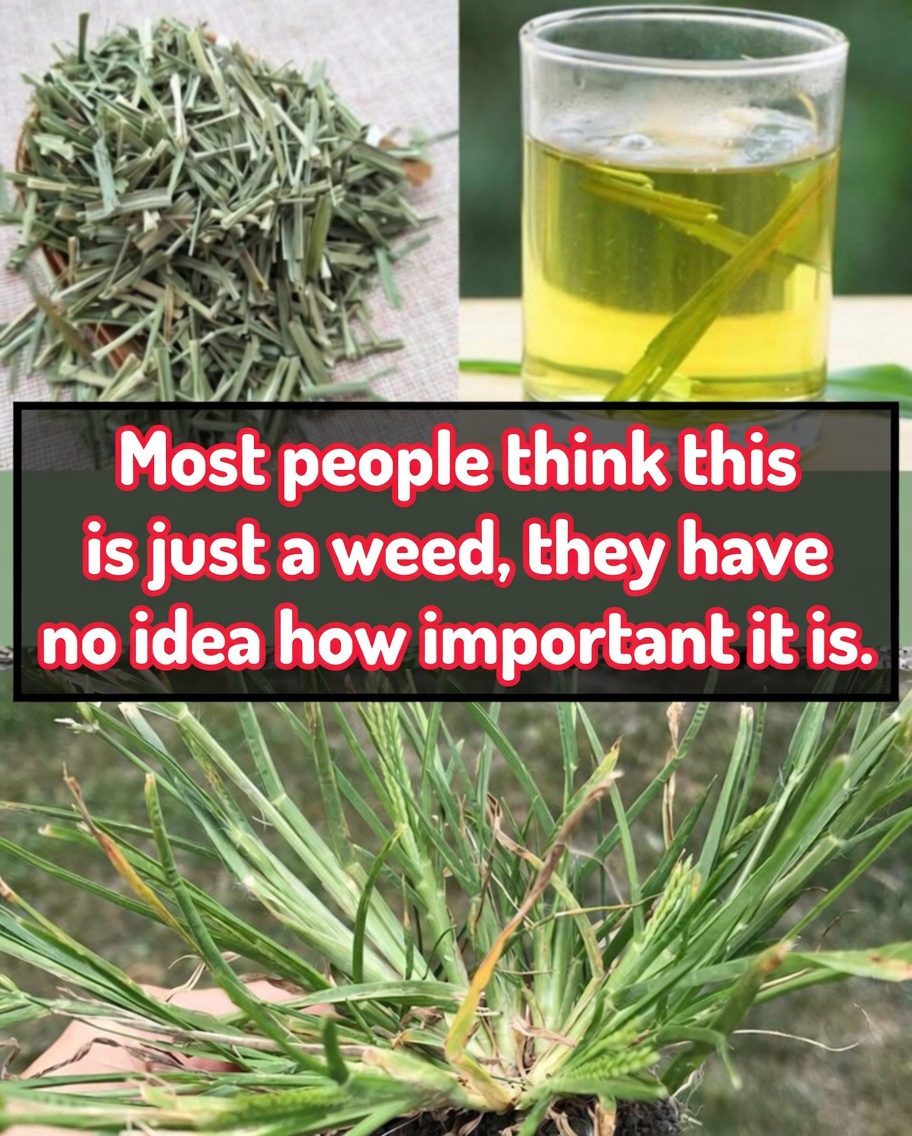
Goosegrass Benefits: 15 Powerful Uses for Health and Natural Healing
What Is Goosegrass?
Goosegrass (Eleusine indica) is a fast-growing annual plant often considered a common weed. It thrives in warm climates and can be found in gardens, fields, and roadsides across the world. Despite its reputation as an invasive plant, goosegrass has been used for centuries in traditional herbal medicine due to its impressive healing properties.
This humble plant contains compounds with anti-inflammatory, antioxidant, and detoxifying effects, making it a valuable natural remedy for a wide range of health concerns.
Common Names of Goosegrass
Goosegrass is known by several names depending on the region, including:
- Cleavers
- Sticky weed
- Catchweed
- Bedstraw
- Amor de hortelano
Its “sticky” texture allows it to cling to clothing and surfaces, making it easy to identify in nature.
Top 15 Health Benefits of Goosegrass
1. Natural Anti-Inflammatory
Goosegrass helps reduce inflammation, making it useful for joint pain, muscle soreness, and chronic inflammatory conditions.
2. Supports Respiratory Health
It acts as an expectorant, helping clear mucus and relieve symptoms of cough, bronchitis, and asthma.
3. Improves Digestion
Goosegrass tea can ease indigestion, bloating, constipation, and acid reflux by supporting gut function.
4. Natural Diuretic
It promotes urine production, helping flush toxins, reduce water retention, and support kidney health.
5. Helps Reduce Fever
Traditionally used as a natural fever reducer during colds and infections.
6. Supports Cholesterol Balance
Regular consumption may help lower LDL (bad cholesterol), improving cardiovascular health.
7. Protects Liver Function
Its detoxifying properties support liver health and may help with fatty liver conditions.
8. Antimicrobial Effects
Goosegrass contains compounds that help fight mild infections and support immune defense.
9. Promotes Wound Healing
Applied topically, it can help heal minor cuts, insect bites, and skin irritations faster.
10. Relieves Headaches
Used traditionally in teas or compresses to reduce headache discomfort.
11. Rich in Antioxidants
Helps combat oxidative stress and slows cellular aging.
12. Boosts Heart Health
By reducing inflammation and cholesterol, it contributes to a healthier cardiovascular system.
13. Supports Lymphatic Detox
Encourages lymphatic drainage, helping the body eliminate toxins more efficiently.
14. Helps with Menstrual Pain
Acts as a mild antispasmodic, easing cramps and discomfort.
15. Supports Kidney Health
Its diuretic action helps cleanse the kidneys and may assist with mild urinary issues.
How to Use Goosegrass
Goosegrass Tea Recipe (Simple & Effective)
Ingredients:
- 1 cup of water
- 1 tablespoon dried goosegrass (or 2 tablespoons fresh)
- Optional: honey or lemon
Instructions:
- Bring water to a boil
- Add goosegrass
- Let steep for 10–15 minutes
- Strain and drink
Recommended use:
Drink 1–2 cups per day for digestive, detox, or respiratory support.
Additional Uses
- Topical paste: Apply crushed leaves to skin for irritation or wounds
- Infused water: Use for detox and hydration
- Herbal compress: Soothe inflammation and swelling
Precautions and Safety
While goosegrass is generally safe, keep these precautions in mind:
- Avoid use during pregnancy or breastfeeding
- Consult a doctor if taking diuretics or medication
- Do not overconsume (may cause dehydration)
- Test for allergies before topical use
Final Thoughts
Goosegrass may look like a simple weed, but it is a powerful medicinal herb with a wide range of health benefits. From improving digestion and detoxification to supporting heart and skin health, this plant deserves a place in natural wellness routines.
When used correctly and responsibly, goosegrass can be a simple, natural, and effective addition to your daily health care.
This is very helpful thank you